General Anesthesia Isn’t the Only Option for a Child’s Oral Surgery
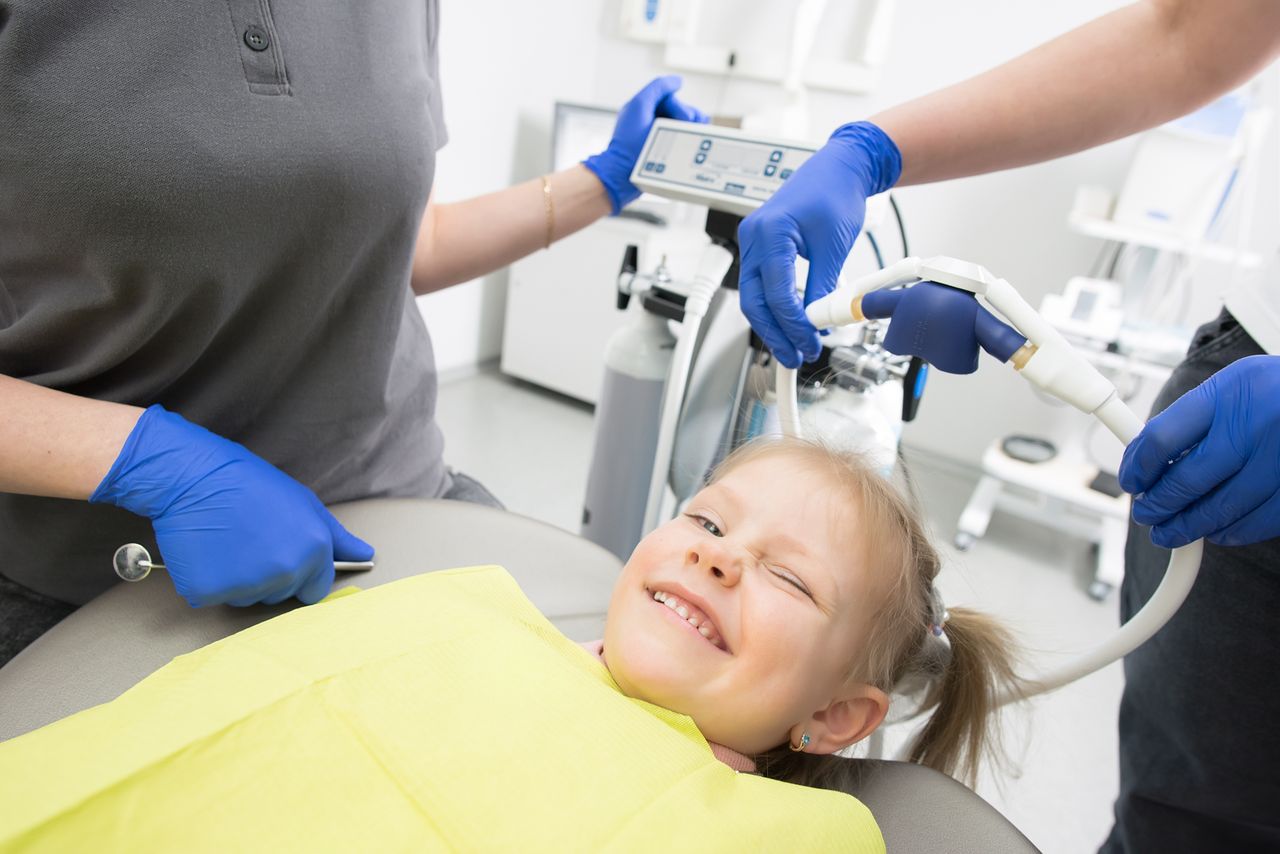
Sedation is a word that makes most parents brace. It calls up anaesthesia, operating theatres, a child who wakes up groggy and disoriented. JuniorDental's version looks nothing like the picture parents bring in. The clinic delivers conscious sedation through nitrous oxide and a small nasal mask, keeping a child relaxed and breathing independently rather than putting them to sleep.
How Conscious Sedation Differs From General Anaesthesia
A child on nitrous oxide breathes independently, answers questions from the dental team, and follows their instructions throughout the visit. The JuniorDental team holds certification in conscious sedation and adjusts the gas concentration as the appointment goes, so the goal stays calm and cooperative rather than drowsy and unaware.
The gas clears fast. Nitrous oxide leaves the body through normal breathing once the mask comes off, and most children return to their usual selves before they leave the treatment room. Families rarely see lingering grogginess afterward.
General anaesthesia is a separate matter. Full unconsciousness requires an oral and maxillofacial surgeon and specialised equipment beyond what a standard paediatric appointment involves. JuniorDental does not perform general anaesthesia. Families who need it will find care in a specialist setting instead.
The Children JuniorDental Recommends It For
JuniorDental reserves conscious sedation for children who struggle with real anxiety, not for every visit or every child. A child who tenses at the sound of the drill, cries through even a quick check-up, or struggles to settle long enough for a proper look inside their mouth is a stronger candidate than one who is simply a little nervous.
Longer procedures matter too. Multiple fillings or pulp therapy completed in one sitting ask more of a young child than a five-minute check-up, and conscious sedation makes that stretch of time easier for the child and the parent watching.
Procedure type alone does not decide it, though. Dentists at the clinic weigh a child's health history and temperament first, and the recommendation follows from that assessment rather than a fixed rule.
What Happens During the Appointment
The JuniorDental team starts with a low dose of nitrous oxide and adjusts it as the appointment goes, working towards calm rather than deeper sedation. A child stays able to talk and react throughout, and the team keeps talking with them through the procedure, which helps the child stay comfortable and gives the team a constant read on how they are coping.
Conscious sedation eases anxiety, not pain. The JuniorDental team still uses local anaesthetic injections to numb the treatment area, working alongside the nitrous oxide rather than replacing it.
Preparing for a Sedated Appointment
Before a sedated appointment, the JuniorDental team goes through a child's health history, current medications, and eating schedule, since a full or empty stomach may change how nitrous oxide feels. Parents get instructions on food and drink timing beforehand, along with questions about any recent illness or medication that might affect the child's response.
Most children go back to their normal day, including school, once the appointment ends. Grogginess afterward is rare, but on the occasions it happens, the JuniorDental team follows up directly with the family.
Frequently Asked Questions
Is nitrous oxide the same as general anaesthesia?
No. A child on nitrous oxide stays awake, breathes independently, and responds to the dental team throughout. General anaesthesia takes place in a specially equipped setting, usually with an oral surgeon, and leaves the child fully unconscious. JuniorDental uses nitrous oxide only.
Will my child remember the appointment?
Most children stay aware enough to recall parts of the visit afterward. Some remember very little, simply because they felt relaxed enough to stop paying close attention. Full memory loss is a feature of general anaesthesia, not conscious sedation.
Does sedation replace the numbing injection?
No, and the two serve different jobs. Local anaesthetic numbs the treatment area; nitrous oxide calms the child enough to sit through it. The JuniorDental team uses the two together in a sedated appointment.
When does JuniorDental recommend sedation for a visit?
The team raises it when a child's anxiety, age, or the length of a procedure would make an appointment difficult to get through while awake and unassisted. Parents may also ask about it directly at any visit.
Is nitrous oxide safe for young children?
Yes. It has a long record of safe use in paediatric dentistry when a trained, certified provider administers and monitors it. JuniorDental's team holds certification specifically in conscious sedation and adjusts the dose to a child's age, weight, and health history.
At JuniorDental, the team matches conscious sedation to the child rather than the appointment slot. Parents raising the subject for the first time should expect a conversation about their child specifically, not a standard script.