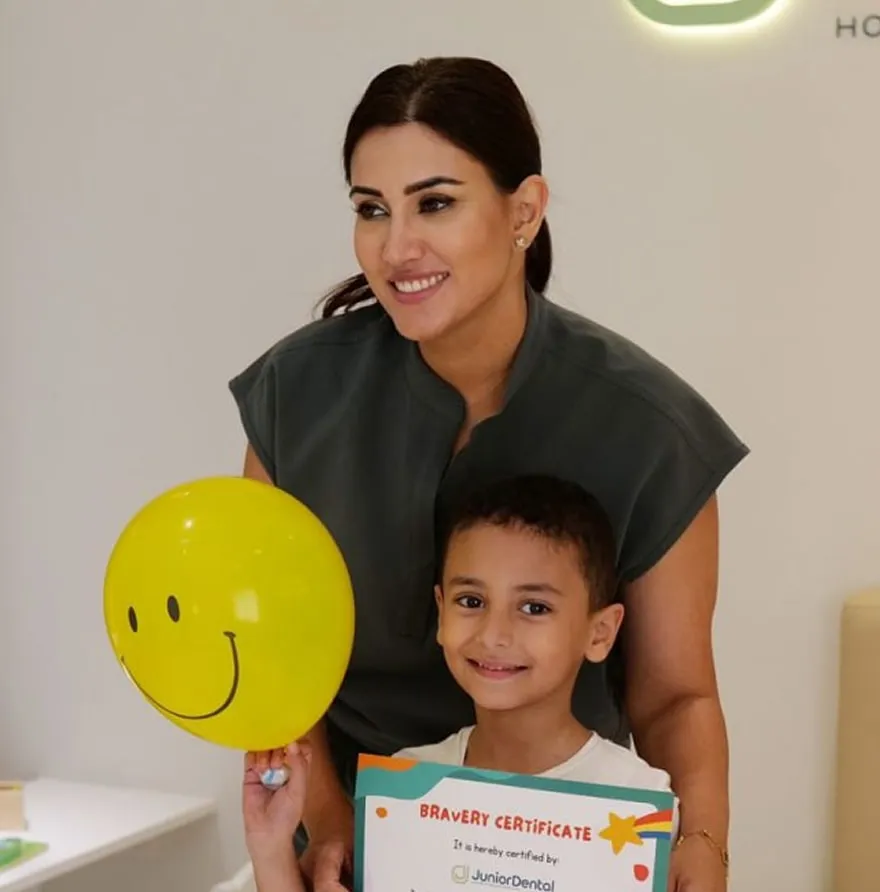
Airway & breathing for children
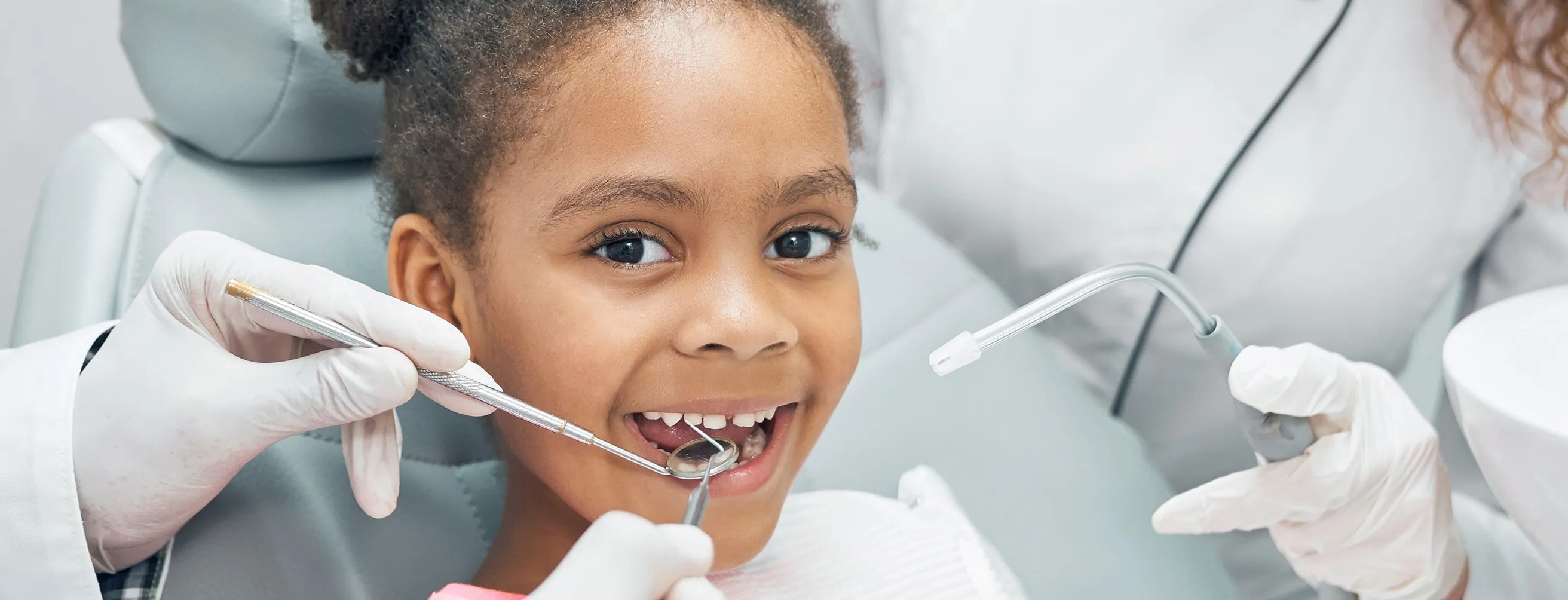
Almost nobody in Dubai has a real page for this. Parents arrive with the same questions: my child snores, they sleep with their mouth open, the paediatrician mentioned a tongue-tie. Airway care is how we answer those — with assessment, habit retraining, myofunctional work, frenectomy when it is needed, and expansion when the jaws are part of the story.
Airway assessment
How the jaws, tongue and nasal airway work together in sleep, growth and daytime breathing.
Learn more →Oral habit retraining
Thumb sucking, tongue thrust, nail biting and open-mouth posture — habits that shape the face if they stay.
Learn more →Myofunctional therapy
Tongue posture, lip seal and nasal breathing exercises that train the muscles around the airway.
Learn more →Tongue-tie & frenectomy
Laser frenectomy for a tight tongue or lip tie that is affecting feeding, speech, or how the tongue rests.
Learn more →Infant ties & feeding
Baby oral health visits that look at latch, lip and tongue ties, and the start of nasal breathing.
Learn more →Expansion overlap
A narrow upper jaw is an airway issue as much as an orthodontic one. Expansion often sits across both pillars.
Learn more →Questions parents type first
Why does my child snore?
Snoring in children is not just a noisy night. It can mean the nasal airway is small, the tongue sits low, or the jaws have not grown enough to keep the airway open in sleep. We look at the mouth, the tongue and the face together.
Is mouth breathing a dental problem?
Yes. Mouth breathing dries the mouth, changes tongue posture and can narrow the upper jaw over time. The earlier we catch it, the more we can guide growth instead of correcting it later.
When does a tongue-tie need treatment?
When the tie limits tongue lift, feeding, speech or the ability to rest the tongue on the palate. Not every visible tie needs a frenectomy — that is why assessment comes first.
Read more parent questions on Dental Topics, or browse All Services.
The skilled hands that care for your smile
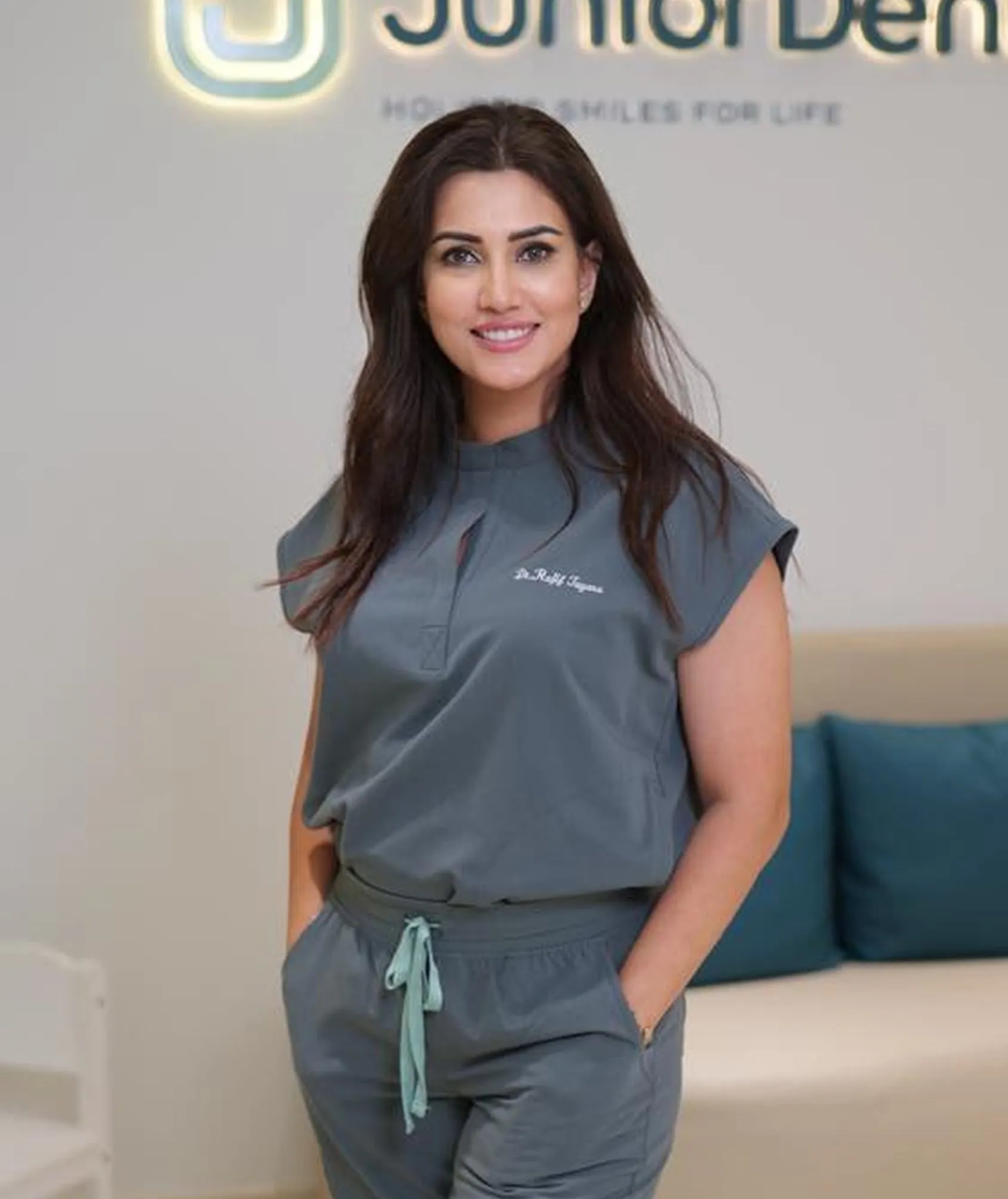


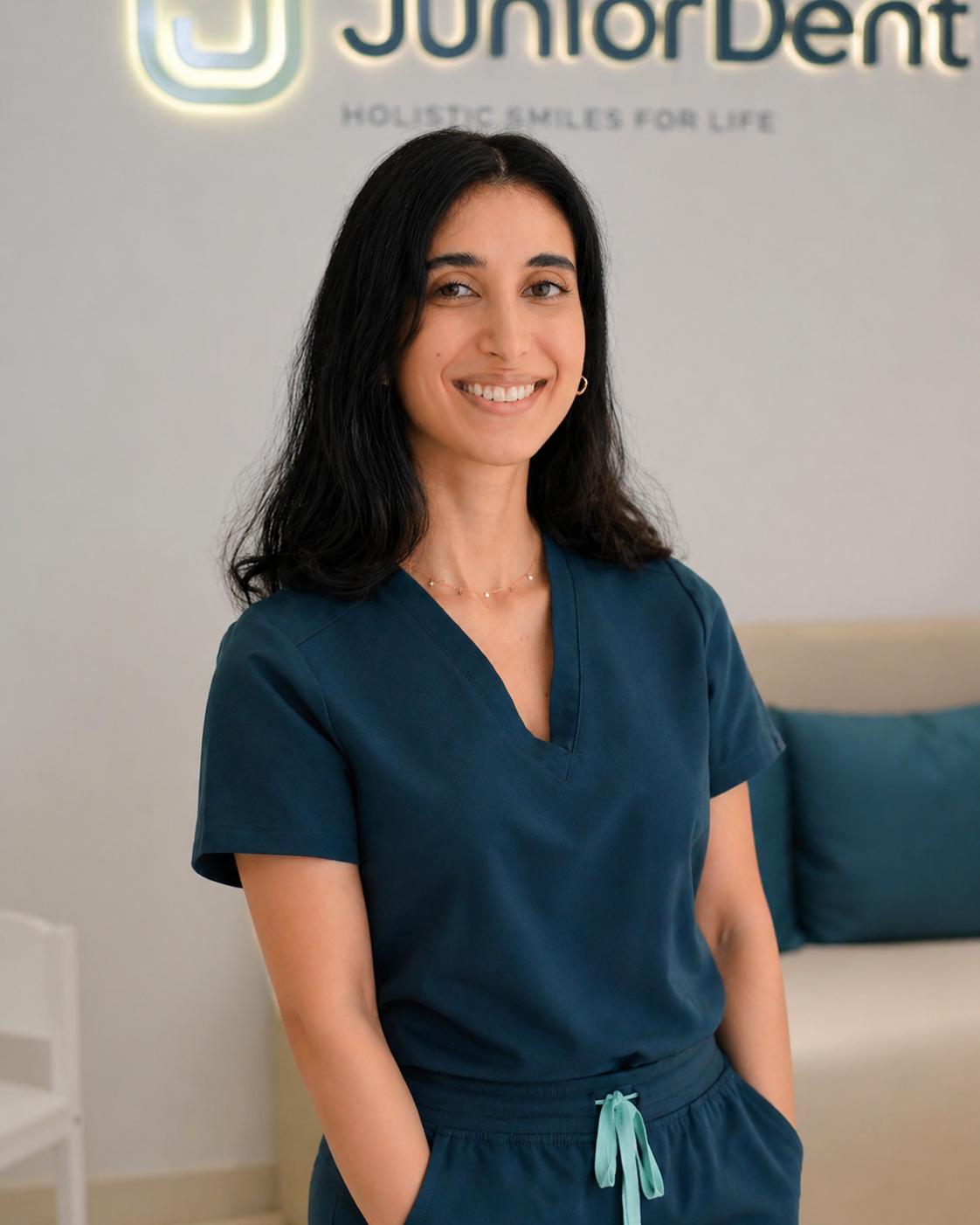


She has practiced in both private clinics and hospital-based settings in North America, the Middle East, and GCC countries. Her practice blends modern pediatric dentistry, with her own expansion protocols in interceptive orthodontics, and myofunctional therapy to address the root causes of dental and airway issues in growing children, and revolves around a multi-disciplinary team of ENT doctors, speech and feeding therapists, sleep surgeons and physiotherapists. She is also highly skilled in treating and managing special needs children and has played a significant role in raising oral health awareness in the Middle East and GCC region through various media channels, conferences and
She is also the author of the children’s book “Danny and Sarah Go to Dr. Smile,” which helps children overcome dental anxiety through an engaging and reassuring story — reflecting her commitment to making dental care a positive, empowering experience.
A proud mum of three, Dr. Tayara combines her professional expertise with a deeply personal understanding of what families need — creating an environment where every child feels safe, understood, and cared for. Her mission is simple yet powerful: to help children breathe, grow, and smile better for life.
You can find her on:
Instagram @doctortayara.
LinkedIn @doctortayara.
Linktr @doctortayara.
Website @doctortayara.

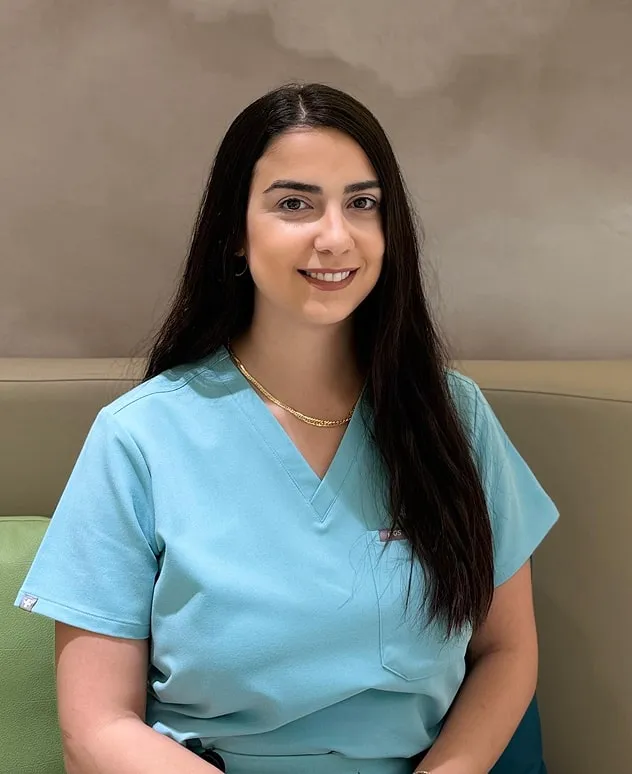
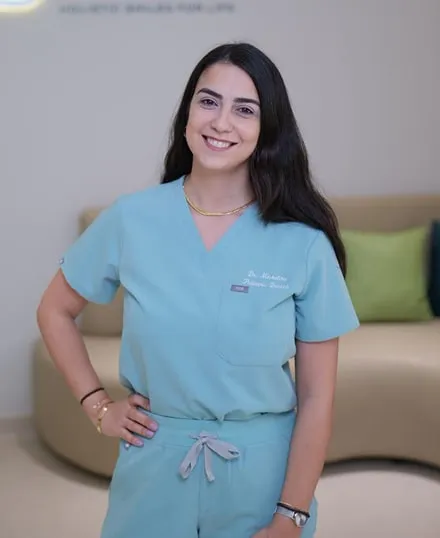
Dr. Micheline brings warmth, expertise, and a deep passion for children’s oral health. As a mom of two herself, she understands how to make every child feel safe, heard, and comfortable at the dentist.
She specializes in a full range of pediatric dental treatments including crowns, fillings, pulp therapy, laughing gaz, and general anesthesia (GA) for more complex cases. She is also a certified Invisalign First provider, offering early orthodontic solutions for growing smiles.
Frequently asked questions