A Knocked-Out Tooth Has a Narrow Window, and Most Parents Don’t Know How Narrow
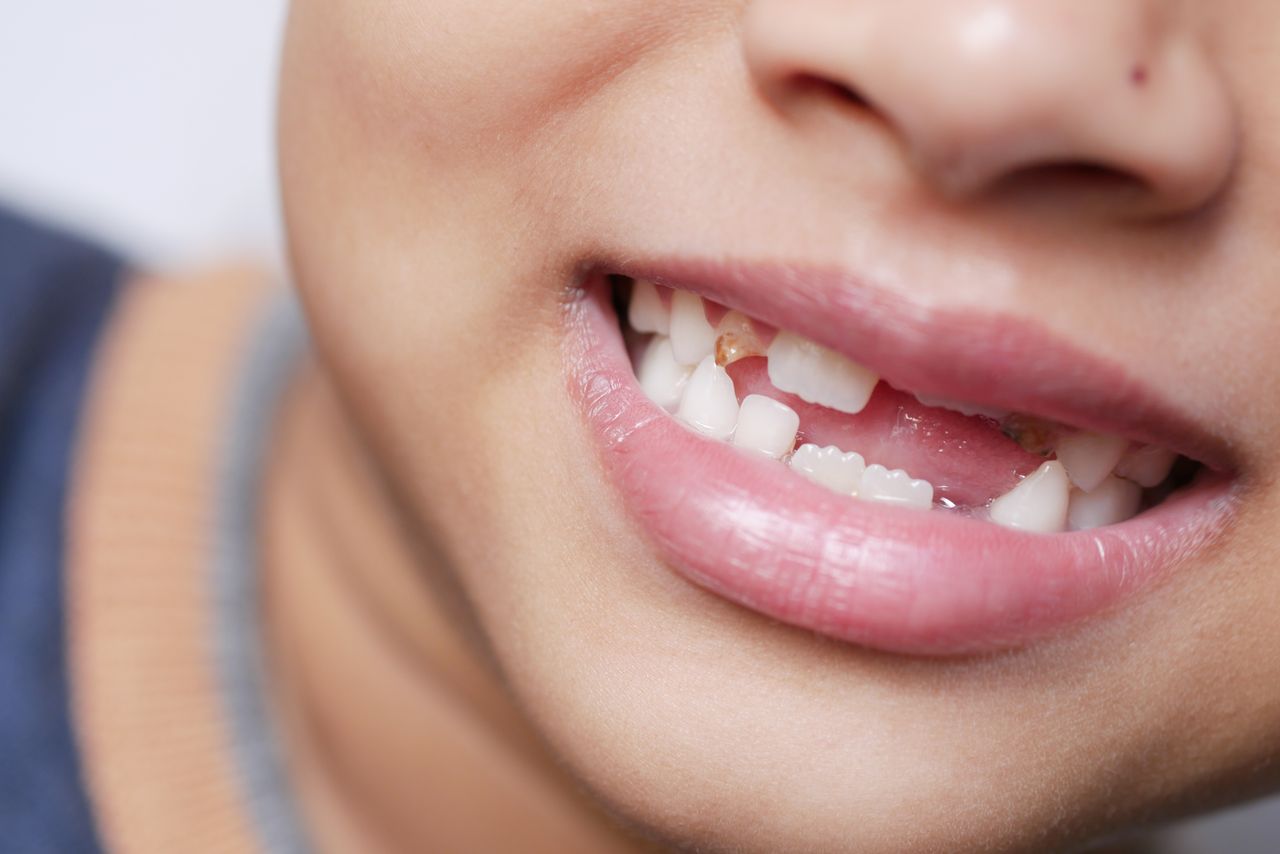
A permanent tooth knocked completely out of its socket is a genuine dental emergency, and the minutes right after the injury matter more than almost anything that happens at the dental office afterward. Dr. Philippe Chanavaz treats these cases at JuniorDental and walks families through what to do at the scene, since a calm, correct first response gives a knocked-out tooth its best chance at survival.
What Should Happen in the First Few Minutes?
Speed and gentle handling matter more than anything else in this window.
Pick the tooth up by the crown, the white chewing surface, and avoid touching the root, since the root’s surface carries delicate tissue that helps the tooth reattach later. If the tooth is dirty, a brief rinse under cool water for a few seconds is fine, but scrubbing it, drying it, or wrapping it in a tissue may damage that same tissue beyond repair. If the tooth came from a child old enough to cooperate safely, gently placing it back into its socket right away and having the child bite down softly on a clean cloth offers the best odds of all.
Reaching a dentist within thirty minutes gives a knocked-out permanent tooth a meaningfully better chance than waiting an hour or more.
What If the Tooth Cannot Be Put Back in Place?
A tooth that will not stay in the socket, or that a parent feels unsafe reinserting, still has a good chance if it goes into the right liquid immediately.
Cold milk is the most practical option most households have on hand, and it keeps the root surface alive for a few hours while the family gets to a dentist. A contact lens saline solution works nearly as well. Plain tap water is the least favorable option, worth reaching for only if nothing else is available, since it may cause the delicate root cells to swell and break down faster than milk or saline would.
The tooth should never sit dry in a napkin, a pocket, or a cup with no liquid at all, even for a short drive to the clinic.
Does a Baby Tooth Get the Same Treatment?
No, and this is one of the most common points of confusion for parents in the moment.
A knocked-out baby tooth should not be put back into the socket. Reinserting it risks damaging the permanent tooth bud developing underneath the gum, which is a very different concern from what applies to a permanent tooth. The right first step for a baby tooth is to control any bleeding with gentle pressure from clean gauze and call a dentist promptly, even though the tooth itself will not go back into the socket.
What Happens at the Dental Office After a Tooth Comes Out?
Dr. Chanavaz examines the socket, checks for other injuries to the jaw or surrounding teeth, and either replants the tooth if it was not already back in place or confirms that a tooth already reinserted is seated correctly.
A splint, a thin wire or resin bonded to the neighboring teeth, generally holds the injured tooth steady while the surrounding bone and ligament heal. Dr. Chanavaz may recommend antibiotics or a tetanus check depending on how and where the injury happened. Follow-up visits over the following weeks and months let Dr. Chanavaz monitor whether the tooth’s nerve survived the trauma, since some teeth need root canal treatment later even after a successful replant.
Frequently Asked Questions
Is a knocked-out permanent tooth always saveable?
Not always, but acting quickly meaningfully improves the odds. A tooth handled correctly and replanted or stored properly within the first thirty minutes has a considerably better outlook than one left dry or handled roughly.
What is the single most important thing to remember in the moment?
Keep the tooth moist and get to a dentist fast. Cold milk, saliva, or a saline solution all work better than a dry tissue or a napkin, and every extra minute outside the mouth or a proper liquid lowers the odds.
Should a parent try to clean a dirty tooth before bringing it in?
Only with a brief rinse under cool water, and never by scrubbing or using soap. Scrubbing removes the delicate tissue on the root surface that a dentist needs intact to reattach the tooth successfully.
What if the injury involves a chipped or cracked tooth instead of a fully knocked-out one?
The same urgency applies, though the steps differ. Dr. Chanavaz recommends bringing in any broken piece if it is found and scheduling an evaluation the same day, since a crack that looks minor sometimes extends closer to the nerve than it appears.
Does dental trauma insurance or a payment plan generally cover an emergency visit?
Coverage varies by provider and plan, so this is worth a direct conversation with JuniorDental’s front desk when booking the emergency appointment, rather than assuming one way or the other.
At JuniorDental, Dr. Philippe Chanavaz treats a knocked-out tooth as a race against time, one where the right first steps tilt the odds in a family’s favor. A quick call to the clinic, even mid-drive, lets the team prepare before the family arrives.