Canker Sores and Mouth Ulcers in Children: What's Normal and When to Get It Checked

Your child winces at the toothbrush, then pushes away a favourite dinner. You take a look inside. There it is: a small, round sore with a pale centre and a red edge. Your stomach tightens. Is it serious? Is it catching? Should you do something tonight?
Take a breath. A small sore feels huge to a child, and it hurts to watch. Most mouth ulcers in children are minor. Canker sores form inside the mouth and are not contagious. Ordinary ones usually heal within one to two weeks. Pain tends to ease sooner.
Some sores do deserve a closer look. Fever, trouble drinking and a sore that lingers past two weeks are among the signs. We list the rest below, plus ways to keep your child comfortable while it heals. If a sore worries you, our team at JuniorDental is glad to look with you.
What are canker sores, and why do children get them?
TL;DR: Canker sores are small, painful ulcers inside the mouth. They are not contagious, and no one knows exactly what causes them.
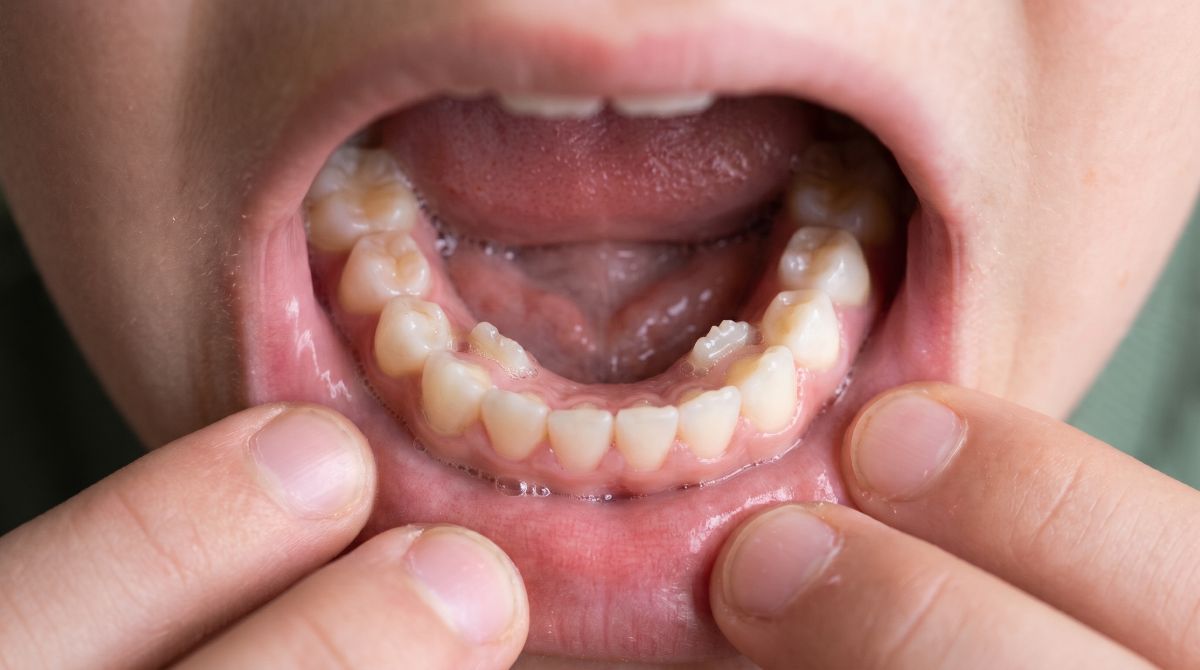
Canker sores, which doctors call aphthous ulcers, are round sores with a white or yellowish centre and a red border. They form inside the cheeks and lips, at the base of the gums, and on or under the tongue. They make eating, drinking and brushing painful, which is why a small sore feels like a big problem to a child.
The exact cause is not known. Some sores seem to follow a small injury inside the mouth, such as biting the cheek or brushing too hard, and canker sores sometimes run in families. A dentist or doctor is the right person to work out the cause in a particular child.
Canker sores become more common from school age and are most common in teenagers. In toddlers, sores inside the mouth have a wider range of possible explanations, so a young child's sore is worth showing to a professional instead of waiting.
How long does a mouth ulcer usually last?
TL;DR: Most ordinary canker sores heal within one to two weeks. A sore still there after two weeks deserves a professional look.
Did you know the first three to four days are usually the most painful? Pain tends to ease before the sore has fully healed, and unless a sore is very large or deep, it heals without a scar. Mayo Clinic and KidsHealth each put healing at about one to two weeks.
Two weeks is the cut-off several children's hospitals use. A sore that has not healed by then, sores that return more than two or three times a year, and a sore that is unusually large, roughly a centimetre or more across, all call for a visit with a dentist or doctor.
Which signs mean a mouth sore needs checking sooner?
TL;DR: A fever, trouble drinking, several sores at once, sores on the lips or the skin around the mouth, and severe pain all call for a prompt visit with a dentist or your child's doctor.
Some signs should not wait for the two-week mark. Fever alongside mouth sores deserves a prompt call, as does a child who refuses to drink or struggles to swallow. Children's hospital guidance also lists four or more sores at once, and sores that spread to the outer lips or the skin around the mouth. Pain that stops your child eating or drinking belongs on the same list.
Signs of dehydration need a doctor promptly: a very dry mouth, no tears when crying or very little urine. The same goes for any sore that may follow contact with a chemical in the mouth.
Sores that look like canker sores may occasionally go with a more serious illness, particularly when other symptoms appear alongside them, so mention anything else you have noticed. A doctor may run tests when sores are frequent or severe, which is another reason to raise a pattern early.
How does a wellness exam fit in?
TL;DR: A wellness exam is a natural place to raise a mouth sore, and a few details from you help us decide what to do next.
The American Academy of Pediatric Dentistry recommends check-ups every six months. At JuniorDental, wellness exams check for tooth decay, gum disease and other oral health concerns, so a mouth sore belongs in the conversation. If a sore meets any sign above, call rather than waiting for the next exam. If a single small sore is clearly easing and your child is eating and drinking normally, you may mention it at the next routine visit.
A few details help at any visit: how long the sore has been there, how many there are, whether your child has had sores before, whether a fever came with them, and anything unusual such as a hot food or a bitten cheek. A short note on your phone is enough.
We look inside your child's mouth and tell you what we see. If anything suggests your child's doctor should see the sore too, we say so, and if you are unsure whether a sore needs a dentist or a doctor, ask us.
Frequently asked questions about mouth ulcers in children
Are canker sores common in young children?
They become more common from school age and are most common in teenagers. Young children get them too, though in toddlers a sore inside the mouth has a wider range of possible explanations, so it is worth showing to a dentist or doctor.
How long should a mouth ulcer last before it is a concern?
Most heal within one to two weeks. If a sore is still there after two weeks, keeps returning, or is unusually large, have it looked at.
Are mouth ulcers ever a sign of something more serious?
Usually not, but occasionally yes. Sores that come with a fever or other symptoms, appear in large numbers, or are frequent or severe need a prompt look from a dentist or doctor. Only an exam of your child's mouth will say more.
Should I bring my child in specifically for a mouth ulcer, or wait for the next check-up?
Book sooner if any sign listed above applies, or if you are unsure. We would rather see a worried parent early than have a child wait in discomfort. If a single small sore is clearly easing and your child is eating and drinking normally, you may mention it at the next routine exam.
Is there anything that helps a child feel more comfortable while it heals?
Soft, mild foods tend to be gentler than crunchy, salty, spicy or acidic ones, and a soft toothbrush used gently keeps brushing bearable. Please ask your dentist or your child's doctor before using any gel, rinse or medicine, because the right choice depends on your child's age and the sore.
Is a mouth ulcer the same as a cold sore?
No. Canker sores form inside the mouth and are not contagious. Cold sores come from a virus, usually appear outside the mouth, and do spread to other people. Sores on the lips or the skin around the mouth are worth showing to a doctor or dentist soon.
If a sore has been bothering your child, or any sign above sounds familiar, get in touch with JuniorDental, a paediatric dentist in Dubai, and we will help you decide on the next step.