Insurance-Free by Choice: Why JuniorDental Works This Way
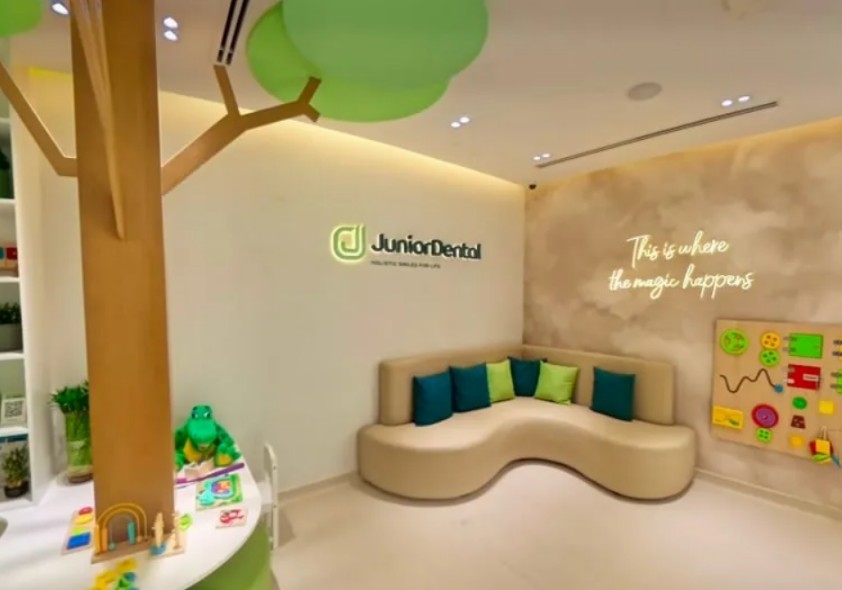
Nine years ago, JuniorDental made a decision that raised eyebrows across the dental industry: the practice stopped working with insurance companies altogether.
Dr. Rafif Tayara, founder of JuniorDental, made the call not because she wanted to limit access to care, but for the opposite reason. She wanted every conversation about a child's treatment to happen between the doctor, the patient, and the family, without an insurance policy shaping what got discussed.
Early in her career, Tayara noticed how much time and energy went into meeting insurance requirements rather than treating and educating patients. That observation led her to a question she still returns to: who should decide what a patient needs, the clinician who examined them, or the limits written into an insurance policy? For Tayara, the answer pointed toward independence from insurance networks entirely.
When Reimbursement Drives Care, Quality Pays the Price
Good dentistry takes time. A dentist needs time to examine, diagnose, explain, and walk a family through alternatives, and time to prevent disease rather than repair the damage it eventually causes.
In pediatric dentistry, that time matters even more. A child's appointment covers more than spotting cavities. It touches oral hygiene, diet, dental development, tooth eruption, occlusion, jaw growth, and habits like thumb sucking or mouth breathing, factors that shape a child's oral health well beyond that single visit.
When a healthcare system leans on reimbursement codes, approvals, and cost containment, the clinical conversation risks narrowing down to one question: what does insurance cover? That's a different question from what the patient needs, and JuniorDental's team works to keep the two separate.
Time Spent Justifying Treatment Was Time Away From Patients
Before the change, a large share of the clinical team's time went into proving that treatment was "necessary": clinical notes, x-rays, reports, pre-authorizations, extra explanations, resubmissions, rejected claims, and appeals.
Documentation and accountability matter in any healthcare setting. But Tayara reached a point where she felt the paperwork was pulling resources away from patients. She did not want her clinical team re-explaining a diagnosis to someone who had never examined the child, only to secure approval for treatment already recommended. That time, she decided, belonged with the patient instead.
"Not Covered" Doesn't Mean "Not Necessary"
One of the most common misunderstandings among parents involves the difference between insurance coverage and clinical necessity. A treatment may fall outside what a policy pays for and still be exactly what a child needs.
When parents hear "your insurance doesn't cover this," many understandably hear something else: "you don't need this." Those two statements are not the same. An insurance policy is a financial product, with defined benefits, exclusions, annual limits, and reimbursement conditions. It is not an individualized diagnosis, and JuniorDental's team tries to make that distinction clear to every family.
The Focus Stays on Health, Not Coverage
Coverage sometimes starts guiding decisions that should begin somewhere else. Parents may ask which treatment is covered, or whether to pursue only the option insurance pays for. Those questions are reasonable enough by themselves.
At JuniorDental, the starting point is different: what's the diagnosis, what happens if nothing changes, what are the treatment options, and what are the benefits, limits, and risks of each? Once a family understands those answers, cost and coverage become part of the conversation, though they don't replace it.
Where the Team's Time Goes Instead of Claims
Running a practice inside insurance networks carries an administrative cost too. A considerable share of team capacity goes into insurance administration alone: following up on claims, calling insurers, correcting submissions, requesting approvals, explaining rejected claims, and managing disputes.
Tayara chose to redirect that capacity toward the patient experience: answering parents' questions, following up after treatment, walking families through a treatment plan, helping them understand prevention, and supporting them through their child's care. It also means helping the practice grow ethically, by explaining the value of treatment a child genuinely needs. There is a real difference between selling treatment a child doesn't need and helping a parent understand the value of treatment their child does need.
A Simpler Conversation
Once insurance stopped sitting between the clinical team and its patients, the conversation changed. Instead of starting with what an insurer will approve, appointments at JuniorDental start with what's happening with a child and what the team recommends.
Parents hear the findings, the evidence, and the options, then make an informed decision from there. It's a patient-driven, diagnosis-led model rather than an insurance-driven one.
Is Insurance Always a Problem? Not According to Tayara.
Tayara is careful to distinguish her choice from a blanket judgment on insurance itself. Insurance makes dental treatment more affordable for many families and plays a genuine role in managing healthcare costs. Plenty of ethical dentists do strong work inside insurance-based systems.
Her concern begins only where coverage gets confused with clinical judgment. Insurance, in her view, should help finance healthcare. It should not define it.
Nine Years Later, the Same Decision Still Holds
Tayara remains comfortable with the choice she made nine years ago. It protects something she considers fundamental to healthcare: clinical independence, the freedom to tell a parent what she genuinely believes their child needs rather than what fits a reimbursement structure.
That freedom, paired with a team focused on patients rather than claims, shapes how JuniorDental operates today. For families weighing a first visit or a second opinion, the practice's position is straightforward: coverage and clinical need are two different questions, and only one of them determines what a child's treatment plan looks like.
JuniorDental's two Dubai locations continue to see patients from birth through early adulthood under this model. More information on the practice and its approach to pediatric and airway dentistry is available at www.juniordental.ae.