Kids' Toothpaste Comes in Dozens of Flavours, Fluoride Is the Part That Matters
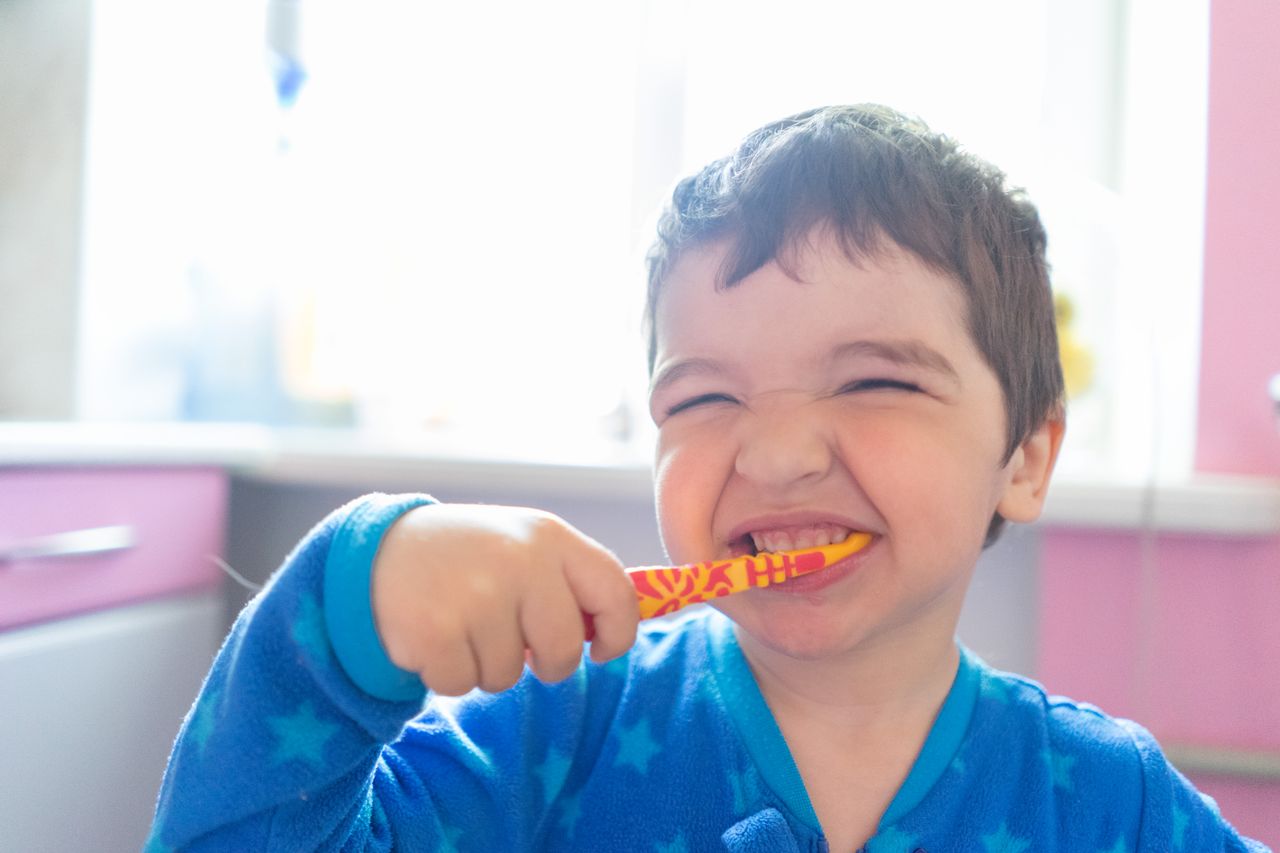
The best toothpaste for kids contains fluoride, suits your child's age, and has a mild flavour with no appeal as a snack. At JuniorDental, we suggest a rice-sized smear of fluoride toothpaste for children under three and a pea-sized amount from age three. Brush twice a day from the first tooth, and check the label for the fluoride level.
A toddler on your hip and a shelf of brightly coloured tubes make an unfair test for any parent. Nobody fails at anything in the toothpaste aisle. You want to pick well, and the packaging does not make it easy.
Did you know young children naturally swallow some of the toothpaste during brushing? It is normal, and it explains why the amount on the brush matters more than the name on the tube.
What Should You Look for in the Best Toothpaste for Kids?
TL;DR: Look for fluoride first, then a fluoride level to match your child's age, then a flavour your child accepts.
Fluoride does the cavity-protecting work, so the label must list it. A 2014 meta-analysis led by Dr J. Timothy Wright found young children who brushed with fluoride toothpaste had about 25% fewer cavities in their baby teeth. Toothpaste without fluoride does not offer the same protection.
Next, read the fluoride level. Labels state it in parts per million (ppm). NHS community dental guidance in England recommends toothpaste with at least 1,000ppm of fluoride for children under three, and more than 1,000ppm for ages three to six. If the ppm figure is missing from your tube, bring the tube to your next visit and we will read it with you.
We leave brand names out of the guide on purpose. Fluoride level, age fit and flavour tell you more than the front of the packet does.
How Much Fluoride Toothpaste Does a Toddler Need at Each Age?
TL;DR: Use a rice-sized smear under age three and a pea-sized amount from age three, twice a day from the first tooth.
The American Dental Association (ADA), the American Academy of Pediatrics (AAP) and the American Academy of Pediatric Dentistry (AAPD) give matching advice. Brush twice a day from the very first tooth, using a rice-sized smear of fluoride toothpaste until your child turns three. A pea-sized amount takes over from age three.
A smear looks like almost nothing on the bristles. The small amount is deliberate, and you do the brushing while your child is so young. As your child grows, the fluoride level and the amount move up in steps, and we confirm the right strength at regular check-ups.
Which Flavours and Textures Suit Younger Children?
TL;DR: Choose the mildest flavour your child will accept, and change the flavour before you change the fluoride.
Sweet, fruity pastes make brushing pleasant. They also turn a tube into something worth licking. Strong mint stings some mouths, and heavy foam surprises some toddlers.
Our practical view is to start mild. If your child refuses one flavour, try another fluoride toothpaste in the same age band. A new flavour solves the refusal, while dropping fluoride gives up the protection.
Some children have sensory sensitivities, which make texture, foam or taste hard to tolerate. Tell us at a visit, and we will talk through options at your child's pace.
Why Does the Amount on the Brush Matter More Than the Brand?
TL;DR: A smear or pea-sized amount keeps swallowed fluoride low, and teaching your child to spit protects developing teeth.
Fluoride toothpaste for toddlers raises one worry above all others: swallowing. Many parents reach for fluoride-free training toothpaste to avoid it, and the worry is understandable. The recommended amounts exist to answer it.
Regularly swallowing too much fluoride while the permanent teeth form may cause dental fluorosis, which shows as faint white marks on the teeth. One messy brushing session is no cause for alarm. The smear and the pea-sized amount keep the everyday dose low.
Teach your child to spit, and skip the rinse. A rinse straight after brushing washes away the fluoride left on the teeth, which reduces the protection. Keep the tube out of reach, and if your child eats a large amount straight from the tube, seek medical advice promptly.
When Is It Worth Asking a Paediatric Dentist About Toothpaste?
TL;DR: Ask whenever you feel unsure about the fluoride level, the amount, or how your child reacts to brushing.
Toothpaste questions are welcome at any visit, and none of them sound silly to us. Bring the tube. We will read the label with you, check the fluoride level against your child's age, and show you the amount on a brush.
A conversation is also worth having if you spot white or brown marks on your child's teeth, if every brushing turns into a fight, or if your child eats toothpaste. The AAPD recommends check-ups every six months, and each exam gives you a natural moment to review the routine.
Common Questions About Toothpaste for Children
How much toothpaste should a toddler use?
A toddler needs a rice-sized smear of fluoride toothpaste, twice a day from the first tooth. The amount stays at a smear until age three, when a pea-sized amount takes over, according to the ADA, AAP and AAPD. An adult does the brushing for a toddler.
Is fluoride toothpaste safe if my child swallows some?
The ADA, AAP and AAPD recommend fluoride toothpaste for young children in small amounts, and young children swallow a little during brushing. A smear or pea-sized amount keeps the dose low. Regularly swallowing larger amounts may cause faint white marks on permanent teeth, so teach your child to spit and store the tube out of reach.
When should a child switch from training toothpaste to regular toothpaste?
No fixed switching age applies when fluoride starts with the first tooth. If your child uses fluoride-free training toothpaste, the ADA, AAP and AAPD advise a rice-sized smear of fluoride toothpaste for children under three. Ask us at your next visit, and we will help you choose a mild flavour your child accepts.
Should my child rinse after brushing?
No. Spit out the extra toothpaste and skip the rinse. A rinse straight after brushing washes away the fluoride still sitting on the teeth, which reduces the protection. A toddler still learning to spit is the reason the amount stays small, so a smear covers the gap while the skill develops.
How many times a day should my child brush, and when should we visit?
Brush twice a day from the first tooth. The AAPD recommends dental check-ups every six months, and each visit gives you a chance to review the toothpaste amount, the fluoride level and the flavour with your dentist. Bring the tube along, and we will check the label together.
Does flavour change how well toothpaste works?
Flavour changes how willingly your child brushes, not how well fluoride works. Fluoride level and amount do the protecting. If a flavour causes tears or tempts your child to swallow, switch to a milder option at the same fluoride level rather than dropping fluoride.
You will not get toothpaste right every single morning, and no dentist expects you to. A smear on the brush and a spit instead of a rinse already put your child in good shape. If a label confuses you, or a tube sits unopened because brushing has become a battle, bring it to JuniorDental and we will work it out together.