How Everyday Snacking Habits Shape a Child's Cavity Risk
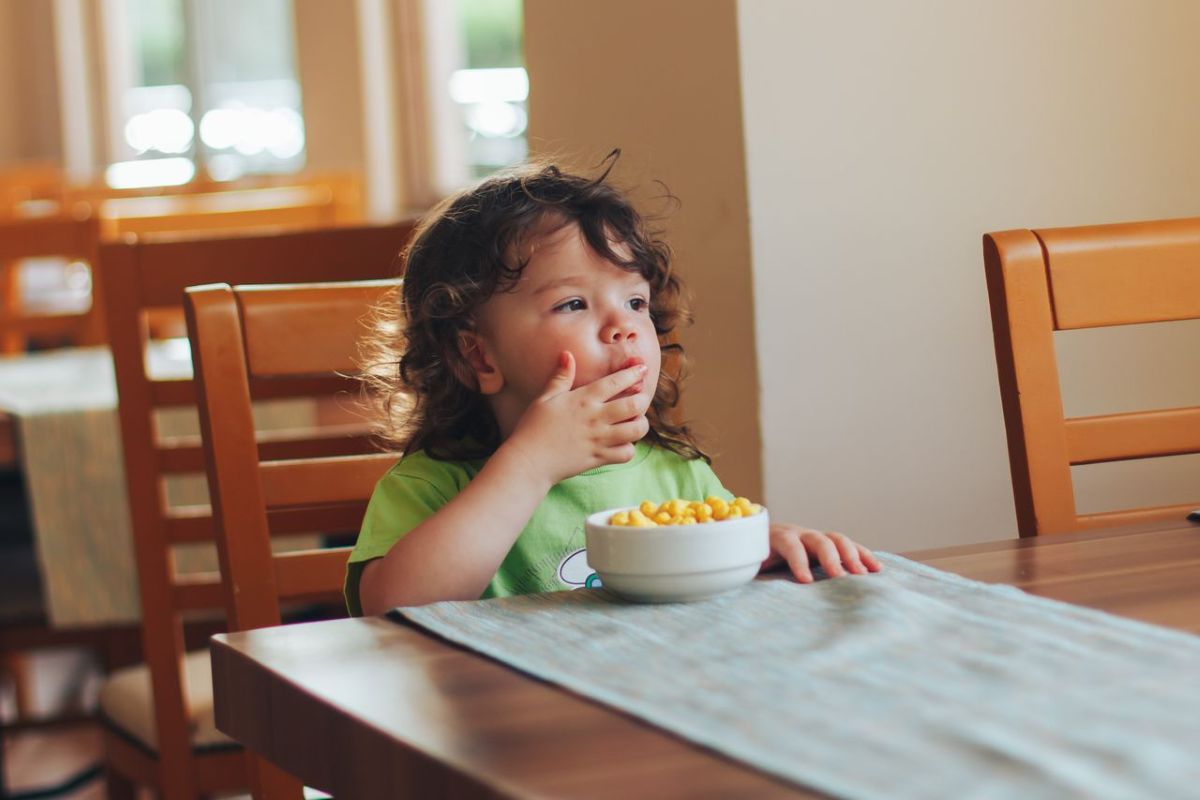
Quick answer: How frequently a child snacks or sips may matter as much as what they eat. Each sugary or starchy bite or sip starts a spell of acid in the mouth, and constant grazing leaves teeth little time to recover. Spaced-out food gives saliva room to repair enamel. If decay does appear, JuniorDental offers non-invasive remineralisation treatment and minimally invasive fillings.
It is half past four, and your child has come home from school starving. A biscuit goes in one hand and a juice box in the other. Ten minutes later, crackers appear, then a little fruit on the sofa. You are glad they are eating. Still, a small worry nudges you. Is the constant grazing hurting their teeth?
Take a breath. Hungry children snack, and a snack after school is no failing. Cavities are common in childhood, and many families who brush with care still meet them. The story here is about timing, not about banned foods or strict rules.
Below, we explain how the rhythm of snacks and sips shapes cavity risk, and what happens when decay does appear. Parents across Dubai ask us about kids snacking and cavities, and our team at JuniorDental is glad to talk through your child's day with you.
Does the timing of snacks matter more than the menu?
TL;DR: The timing of a snack matters as much as the menu. Each sugary or starchy bite or sip starts a spell of acid, and constant grazing leaves teeth little time to recover.
Bacteria in the mouth feed on sugars and starches and make acid as they feed. The acid softens enamel, the hard outer layer of each tooth. Dental associations describe an acid attack lasting up to twenty minutes after eating or drinking. Then saliva steps in. Saliva neutralises the acid and carries calcium and phosphate back into the enamel, a repair process called remineralisation.
One snack leaves saliva time to finish its work. Snack after snack, or a sip every few minutes, keeps the mouth acidic for much of the afternoon, and repair falls behind. Over weeks and months, enamel may lose more mineral than it regains, and a cavity may form.
The American Academy of Pediatric Dentistry (AAPD) includes snacking frequency among the topics dentists discuss with families at checkups.
Is sipping a drink all day worse than a sugary snack at one sitting?
TL;DR: Slow sipping tends to be harder on teeth, because it restarts the acid spell again and again. Water is kind to teeth at any time.
A sugary drink finished in one sitting starts one acid spell. The same drink sipped for an hour or two keeps restarting it, and teeth stay under acid for much longer. Dental associations describe the same pattern for a sugary drink sipped slowly over a long stretch. A treat with a meal also meets more saliva, because the mouth makes extra saliva while we eat.
Some drinks, such as sports drinks and fizzy drinks, are acidic by nature, which adds to the effect. Plain water does not feed mouth bacteria, and it rinses the teeth as it goes. Nothing here asks you to forbid a drink. It asks only for a little thought about how long a cup stays in your child's hand.
What should parents watch for day to day?
TL;DR: Watch the pattern of the day more than single foods. Clear gaps between eating, with water in between, give teeth time to recover.
A useful question is how many times a day your child's teeth meet food or a sweet drink, and how long each one lingers. Mealtimes and a planned snack or two make clear gaps. A cup your child carries around the house, or a pouch they eat slowly over an hour, keeps the acid clock running. Sticky foods tend to stay on teeth longer.
Look, too, for a dull, chalky patch near the gumline, because early decay tends to show there first. Such a spot deserves a look from us. Nobody keeps a perfect pattern, and nobody needs to. Long school days, activities and treats from grandparents will not always fit a neat rhythm.
How does remineralisation treatment fit in?
TL;DR: It follows prevention rather than replacing it. For early-to-moderate decay, our non-invasive remineralisation treatment repairs the enamel, and minimally invasive fillings keep any repair small.
Well-spaced snacks and daily brushing protect enamel. Even so, decay sometimes appears, and it is no one's failing. At JuniorDental, our remineralisation treatment uses calcium phosphate, the same minerals saliva supplies to enamel. The treatment is non-invasive, and it repairs early-to-moderate decay.
Routine exams matter here. AAPD guidance suggests checkups about every six months, and regular looks help us find early changes while repair is still possible. If a cavity has already formed, JuniorDental offers minimally invasive fillings, which keep the repair as small as possible. Our approach puts prevention first, and we look at the whole child, beyond the single tooth.
Frequently asked questions
Does the timing of snacks matter more than the menu?
Frequency deserves as much attention as the menu. Each sugary or starchy bite or sip starts a spell of acid in the mouth, and spaced-out food gives saliva time to repair enamel.
Is sipping a drink throughout the day worse than a sugary snack at one sitting?
Slow sipping tends to be harder on teeth, because it restarts the acid spell again and again. A treat with a meal meets more saliva and ends sooner. Plain water is kind to teeth throughout the day.
How does remineralisation treatment fit into prevention?
It follows prevention rather than replacing it. Well-timed snacks and daily brushing protect enamel. If early or moderate decay appears anyway, our non-invasive remineralisation treatment, which uses calcium phosphate, repairs it.
Does brushing right after a snack undo the risk?
Not entirely. A brush clears food and plaque, which helps, but it does not erase an acid spell already under way. A brush straight after sour or acidic foods and drinks may scrub softened enamel, so a water rinse first, or a wait of about thirty minutes, is gentler. Twice-daily brushing stays the foundation.
What should parents watch for day to day?
Watch how many times teeth meet food or sweet drinks, and how long a cup or pouch stays in your child's hands. Look, too, for a dull, chalky patch near the gumline, and show us any spot which does not wipe away.
Do I have to ban snacks or sweets?
No. Children need to eat, and treats have a place. The point is timing, not prohibition, and nobody keeps a perfect pattern. If your child's day is hard to fit into a neat rhythm, our team at JuniorDental is glad to help you find a workable one.
Teeth cope better with a rhythm than with a rulebook. If you would like a second pair of eyes on your child's day, or on a spot you have noticed, our team at JuniorDental will look with you at the next routine exam, with no judgement and no rush.