Most Babies Start Teething Around Six Months. Here Is What Comes With the First Tooth
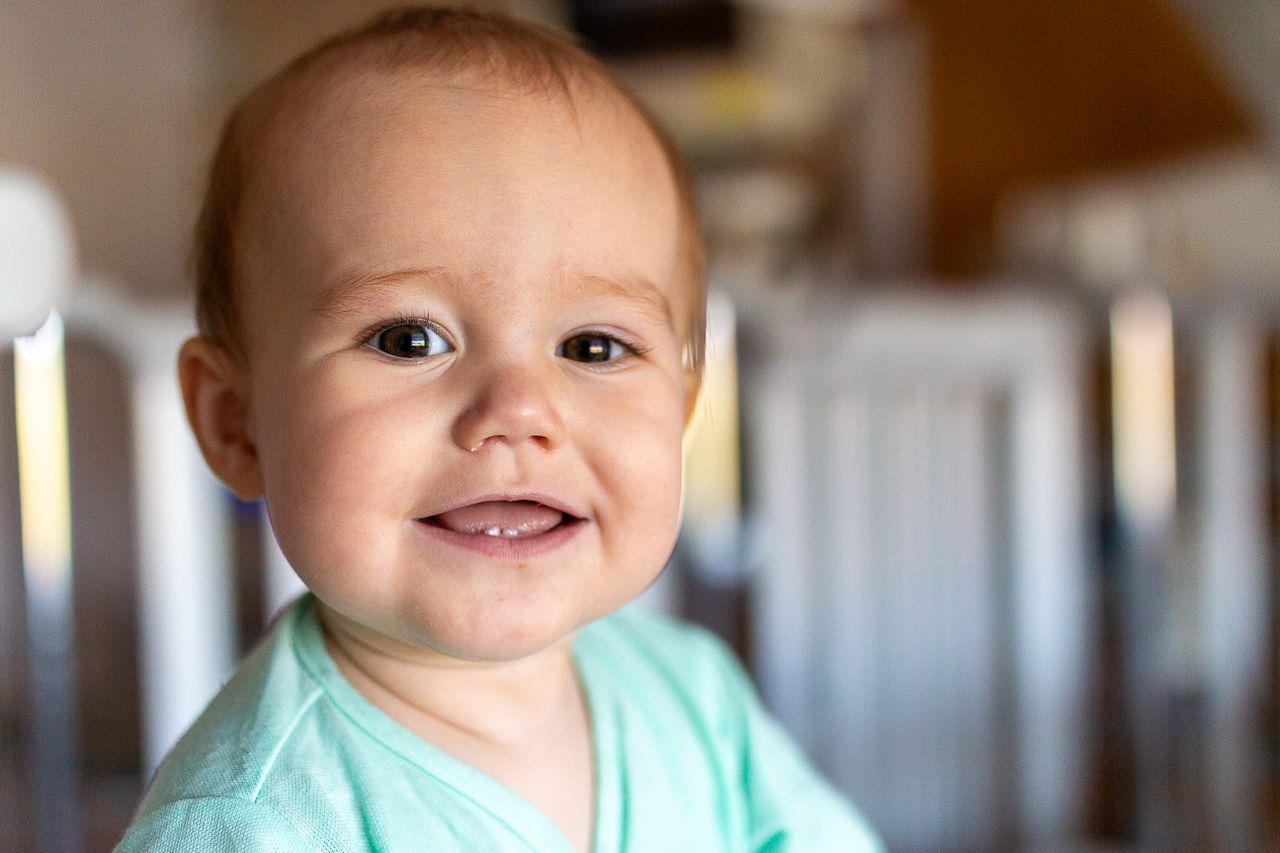
Most babies cut a first tooth around 6 months. The American Academy of Pediatrics (AAP) puts the usual window at 6 to 12 months. Some babies start before 4 months and others after 12, says the UK’s NHS. At JuniorDental, we welcome babies for assessments from birth, teeth or no teeth.
Is your baby drooling more and chewing everything within reach? A tooth may be on the way. If the first birthday is near and no tooth has come, the wait feels long. Either worry is normal, and neither means you missed a sign.
Did you know your baby arrived with all 20 baby teeth already in the jaw? The AAP says so. Each tooth climbs slowly up through the gum, and parents call the climb teething.
When will my baby start teething?
Most babies cut a first tooth around 6 months, but the range runs wide.
The first tooth is almost always a lower front tooth, says the AAP. The American Dental Association (ADA) puts the lower front teeth at 6 to 10 months. The upper front teeth follow at 8 to 12 months.
The teeth beside the front pair (lateral incisors) arrive at 9 to 16 months. First molars follow at 13 to 19 months. Canines arrive at 16 to 23 months, and second molars at 23 to 33 months.
The AAP expects most children to have all 20 baby teeth by age 3. The ADA adds a reminder. Every mouth is different, and teeth may arrive earlier or later than the chart shows.
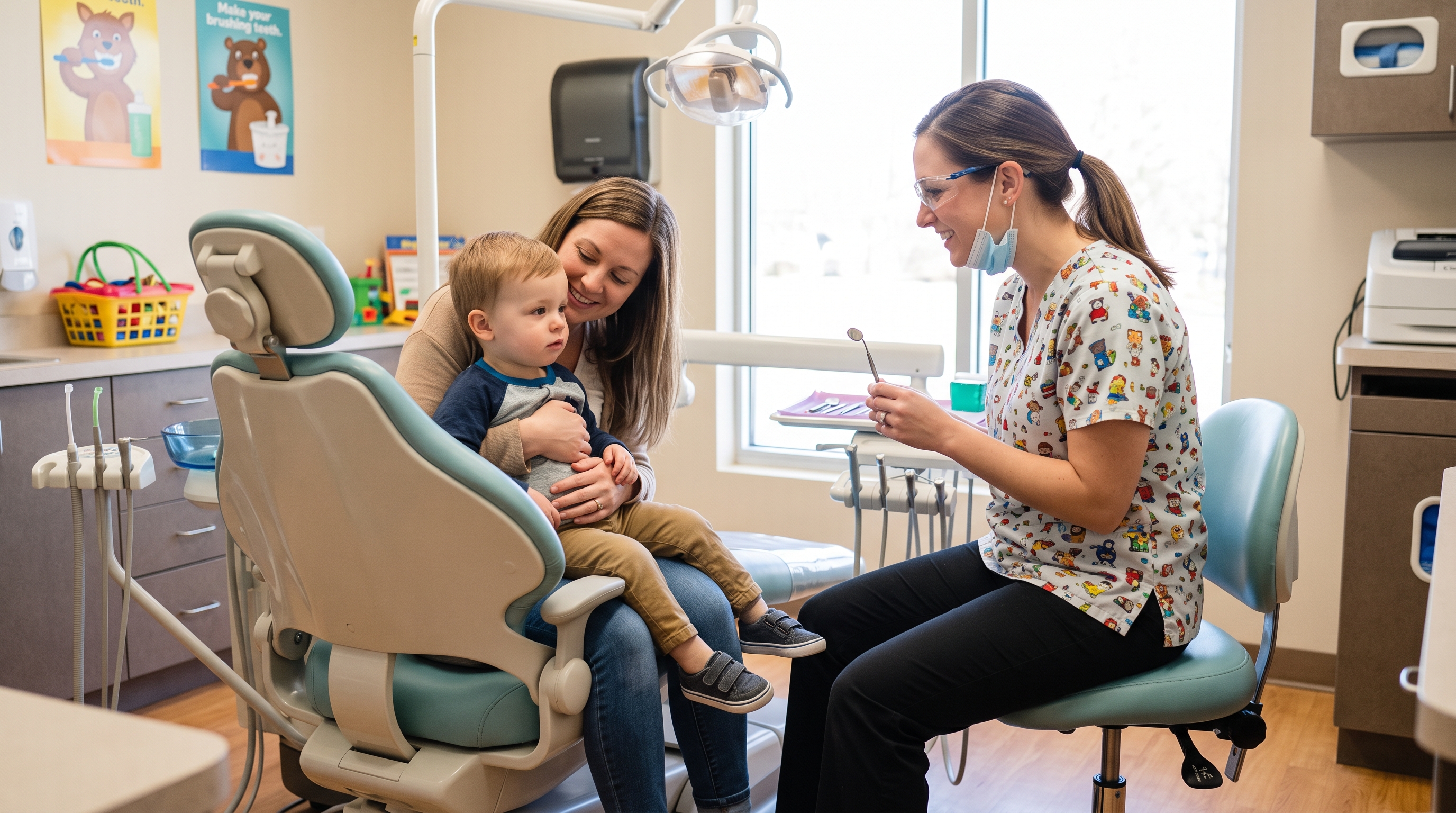
Some babies have no teeth at their first birthday, says the AAP. The first dental visit is still due by age 1. At JuniorDental, every standard exam checks jaw width, tongue posture, palate shape and breathing.
What does teething look like day to day?
Sore gums, extra drool and a strong urge to chew are the usual signs.
The NHS lists a sore, red gum, extra drool and plenty of gnawing. Some babies also rub an ear, show one flushed cheek, turn fretful or sleep badly.
Not every baby feels pain from teething. The NHS describes some teeth arriving with no pain at all. Others bring mild symptoms for a few days. The AAP says discomfort may begin as early as 3 months. The tooth itself usually shows up later.
On temperature, the NHS counts a slightly raised reading, under 38°C, among teething signs. The AAP says a true fever, 38°C or higher, is not a teething symptom. In practice, 38°C marks the line between teething and a reason to call.
The NHS also says no evidence links teething to diarrhoea.
What helps a teething baby feel better?
Gentle pressure and something safe to chew are the comforts health bodies recommend.
Start with a clean finger. Rub the sore gum gently. The AAP, NHS and US Food and Drug Administration (FDA) all recommend the rub.
A firm rubber teething ring gives your baby something safe to bite. Choose a solid ring, because liquid-filled ones may tear or leak, says the AAP. The NHS says you may cool some rings in the fridge first. Check the packaging for how long.
Keep rings out of the freezer, because a frozen ring could hurt the gums. Keep them off your baby’s neck too. The NHS calls a ring on the neck a choking hazard.
More drool means more wiping. The NHS suggests wiping your baby’s face gently to help prevent a rash.
The NHS says soft fruit such as melon may soothe the gums once solids start. Stay close while your baby eats, as chunks may cause choking.
The NHS suggests skipping rusks, because nearly all brands contain some sugar. The AAP adds a choking warning for teething biscuits, since pieces may break off.
For restless nights, the AAP suggests a warm bath. A bedtime massage or low white noise may also help. The NHS also suggests play and comfort to take your baby’s mind off the gums.
On a hard night, ask your paediatrician or pharmacist about an infant pain reliever. Doses depend on your baby’s weight and age, and national age limits differ. The AAP considers moderate use of paracetamol (acetaminophen) safe. It warns of health problems with frequent use.
Which teething remedies should I avoid?
Skip numbing gels, teething tablets, jewellery and frozen rings.
The plainest comforts have the strongest backing. Several products sold for teething carry warnings.
The FDA advises against topical teething medicines, from benzocaine gels to homeopathic tablets. Benzocaine carries a risk of methemoglobinemia, which the FDA calls serious. The condition greatly reduces how much oxygen red blood cells carry.
The American Academy of Pediatric Dentistry (AAPD) rules out benzocaine for children under 2. The AAPD and the AAP also advise against lidocaine remedies.
Gels also disappoint. The NHS notes a lack of evidence for teething gels. The AAP adds a practical reason: drool washes numbing gels away quickly.
Necklaces and bracelets sold for teething raise a separate worry. The FDA lists choking, strangulation, mouth injury and infection. The AAP does not recommend amber necklaces, and the AAPD advises against teething jewellery.
Frozen rings and liquid-filled rings also make the list. The NHS and the FDA warn a frozen ring may hurt the gums. The AAP says liquid-filled teething toys may tear or leak.
How do I look after the first tooth?
Brush twice a day from the first tooth, with a rice-grain smear of fluoride toothpaste.
The AAP advises brushing as soon as the first tooth appears. Use a rice-grain smear of fluoride toothpaste, twice a day. At age 3, switch to a pea-sized amount.
The NHS gives the same advice for babies and toddlers up to age 3. It asks for at least two brushes a day, with one right before bed. The NHS advises against rinsing, which washes the fluoride away.
The first tooth also starts the clock on the first dental visit. The AAP advises booking once the tooth appears, and no later than the first birthday.
The AAP and the AAPD each recommend a dental home by age 1. A dental home is a regular dentist who knows your child.
When is it more than teething?
A fever of 38°C or higher, diarrhoea or any lingering worry deserves a call.
The AAP says teething does not cause a true fever, diarrhoea or excessive crying. If your baby shows one, call your paediatrician. Mild fussiness fits teething. Excessive crying does not.
The NHS adds a simple rule: get medical advice whenever a symptom worries you. You know your baby, and your worry is reason enough to call.
Questions about late teeth or gum changes also belong at a dental visit.
What questions do parents ask about teething?
At what age do babies start teething?
Most babies start teething around 6 months, say the NHS and the AAP. The first tooth usually appears between 6 and 12 months. The NHS says some babies start before 4 months and others after 12 months. The AAP notes gum discomfort may begin as early as 3 months.
Which baby tooth comes in first?
The lower front teeth, the lower central incisors, almost always come first, says the AAP. The ADA gives 6 to 10 months for them. The upper front teeth follow at 8 to 12 months. The NHS adds bottom teeth usually appear before the matching top teeth.
What if my baby has no teeth at 12 months?
Some babies have no teeth at their first birthday, says the AAP. The NHS says some start teething after 12 months. The AAP still advises a first dental visit by age 1. Ask about the wait at the visit. The dentist checks the gums and jaws.
Does teething cause a fever?
No. The AAP says a true fever, 38°C or higher, is not a teething symptom. A true fever may point to an illness or infection needing treatment. The NHS counts only a slightly raised temperature, under 38°C, among teething signs. If your baby’s temperature reaches 38°C, call your paediatrician.
How long does teething last?
The NHS describes mild symptoms lasting a few days around each tooth. Some teeth cause none. The whole process continues until the full set of 20 baby teeth arrives. The AAP expects the full set by age 3. The NHS says between ages 2 and 3.
When should I start brushing my baby’s teeth?
Start when the first tooth appears, says the AAP. Brush twice a day with a rice-grain smear of fluoride toothpaste. Switch to a pea-sized amount at age 3. The NHS agrees and advises against rinsing afterwards, since rinsing washes the fluoride away.
Are teething necklaces safe?
No. The FDA warns of choking, strangulation, mouth injury and infection from teething jewellery. The AAP does not recommend amber necklaces, and the AAPD does not recommend teething jewellery. The FDA and the AAP suggest a firm rubber ring, used with supervision.
When should my baby first see a dentist?
The AAP advises a first dental visit once the first tooth appears. The latest date is the first birthday. The AAP and the AAPD each recommend a dental home by age 1. JuniorDental offers assessments from birth, so a visit before the first tooth is welcome too.
Who should I ask about my baby’s teething?
Babies reach the first tooth on different days, and waiting for it is no mistake. Take your teething questions to the first dental visit, or ask before it. Our team at JuniorDental answers them in plain language. Families searching for a paediatric dentist in Dubai are welcome to meet us.