Teeth Grinding at Night: A Practical Guide for Parents
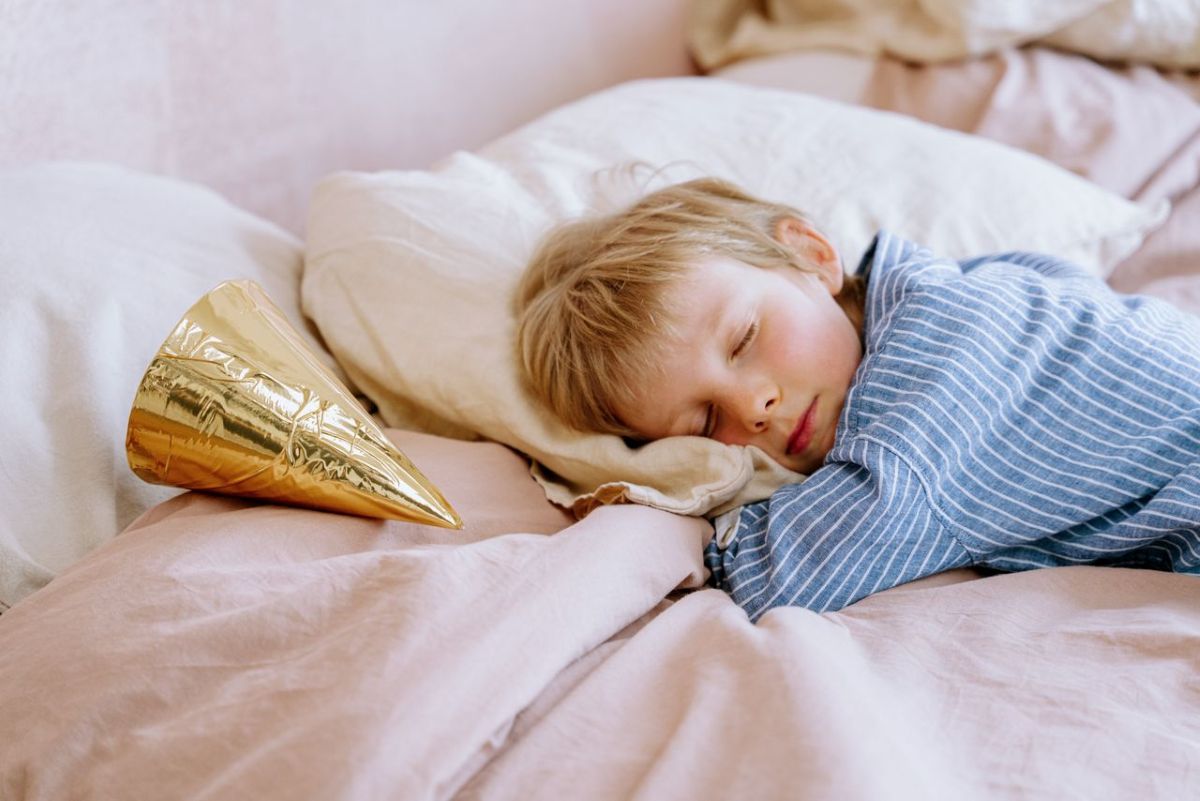
Quick answer: Night-time grinding is common in children, and most outgrow it. It may sound alarming, yet it rarely causes lasting harm. Researchers have not found one cause, and how a child breathes during sleep is a possible contributing factor. At JuniorDental, we watch and monitor at routine exams, and we explain anything we see in plain language.
It is long past bedtime, and the house has gone quiet. Then a harsh scraping sound drifts from your child's room. You stand at the door and listen. It sounds like teeth against teeth. Your stomach tightens. Is something wrong? Is it hurting them? Should you wake them?
Take a breath. Many children grind their teeth at night, and most outgrow it. Estimates differ from study to study, and many put it at roughly one in five to three in ten children. You do not need to wake your child, and nobody needs to feel at fault.
Below, we describe what grinding sounds like, what may sit behind it and what we do about it at a routine visit. Parents across Dubai ask us about a child grinding teeth at night, and our team at JuniorDental is glad to listen and look with you.
What does grinding look and sound like in a child?
TL;DR: Night grinding sounds like scraping or tapping during sleep. Morning clues may include a tired jaw, and the teeth may look flatter along their edges.
Many children are unaware they grind, so parents tend to notice first. The sound may be a slow scrape, a steady tap or a creak. Some children wake with a tired or sore jaw, or mention a mild headache or earache.
Over time, the biting edges of the teeth may flatten or wear, and some teeth may feel more sensitive. Enamel is thinner on baby teeth than on adult teeth, so wear may show sooner there. Most childhood grinding is mild.
What may set off grinding in children?
TL;DR: Nobody has found one cause. Growth, restless sleep and everyday changes may play a part, and how a child breathes during sleep is a possible contributing factor.
Researchers have not pinned down a single cause, and the answer likely differs from child to child. Teeth and jaws change quickly through childhood, and some children may grind as new teeth arrive or as the bite settles. Night grinding may also show up alongside restless sleep, and everyday changes in routine may play a part for some children.
How a child breathes during sleep is a possible contributing factor. If your child also snores, breathes through the mouth at night or sleeps restlessly, please mention it. The detail helps us see the whole picture, which is why a full airway evaluation is part of every standard exam at JuniorDental. The evaluation looks at jaw width, tongue posture, palate shape and breathing patterns.
What does JuniorDental do about grinding at a routine visit?
TL;DR: We watch and monitor. At each exam, we check the teeth for wear, ask about sleep and comfort, and compare what we see over time.
The American Academy of Pediatric Dentistry (AAPD) suggests checkups about every six months and encourages dentists to talk with families about clenching and grinding. At a paediatric wellness exam, we look at the edges of the teeth for wear, ask how your child sleeps and whether the jaw ever feels sore, and note what we see so we have a baseline for the next visit.
Our approach is whole-child and prevention first, so we look at sleep and breathing alongside the teeth. Many cases need no treatment at all, and a patient watch is the plan. If we see a change, we tell you plainly and talk through what comes next at your pace.
What helps at home, and when should I come in sooner?
TL;DR: Keep bedtime calm, jot down what you hear, and tell us about pain, chips or poor sleep. Pain, chips or worsening sleep deserve a visit before the next six-month exam.
A calm, predictable bedtime supports good sleep for every child, whatever sits behind the grinding. A short note on your phone, with the date and what you heard, gives us useful detail at the next visit. There is no need to wake your child during the night.
Come in sooner if your child reports jaw, ear or tooth pain, if the teeth look chipped or noticeably flatter, or if the grinding seems to disturb your child's sleep or leave them tired by day. Loud snoring or pauses in breathing during sleep also deserve a prompt conversation with us or with your child's paediatrician.
Frequently asked questions
Is grinding at night common in young children?
Yes. Estimates vary between studies, and many put it at roughly one in five to three in ten children. The habit seems to peak in the preschool years, and most children show no lasting harm.
Does my child need a mouthguard for grinding?
Many children do not. A night guard comes up mainly when grinding causes pain or clear wear, and the decision belongs with your dentist because growing mouths change quickly. Please check with us before trying one from a shop.
What causes grinding in children?
Researchers have not found a single cause. Growth in the teeth and jaws, restless sleep and everyday changes may play a part, and how a child breathes during sleep is a possible contributing factor. We look at the whole child rather than one possible reason.
When should grinding prompt a dental visit?
At the next routine exam if your child seems comfortable. Come sooner if your child reports jaw, ear or tooth pain, if the teeth look chipped or flatter, or if grinding comes with loud snoring or poor sleep.
Does grinding usually stop as children get older?
For most children, yes. Most grow out of it, though the timing differs, and some carry it into later childhood, which is one reason we keep watching.
Will you know my child grinds if I have not heard it?
Sometimes. Worn edges on the teeth, a sore jaw or a tired morning may hint at grinding even when nobody hears it. We ask about sleep and look at the teeth at every exam.
Night-time grinding sounds worse than it usually is. If it keeps you awake with worry, tell us at the next visit, and our team at JuniorDental will watch, explain and support you at every step.