The First Sign of Baby Bottle Tooth Decay Is Easy to Miss

Tooth decay in babies and toddlers has two names. Families know it as baby bottle tooth decay, and dentists call it early childhood caries. Frequent, prolonged contact with sugary drinks raises the risk of decay. The upper front teeth take the first hit. At JuniorDental, we help families spot the early signs and lower the risk.
Does your baby fall asleep mid-feed? A bottle settles a tired baby, and every parent knows the relief. We never judge a bedtime routine.
Did you know a baby’s lower front teeth usually stay sound? The upper front teeth are another story. The reason lies in how babies feed.
What is baby bottle tooth decay?
TL;DR: Baby bottle tooth decay falls under early childhood caries: baby tooth decay before age 6.
The American Academy of Pediatric Dentistry (AAPD) defines early childhood caries. It means decay in any baby tooth of a child under 6.
The US Centers for Disease Control and Prevention (CDC) published a 2024 report. About 11% of American children aged 2 to 5 had untreated baby tooth decay.
Why does a bottle at bedtime put baby teeth at risk?
TL;DR: Sugar lingers on teeth, and a sleeping baby makes less saliva to rinse it off.
The ADA explains the basics. Bacteria in plaque make acid when sugars arrive. The acid attacks enamel, the hard outer layer of the tooth.
The NHS links comfort sucking on a sweetened bottle to decay in young children. Drinks flow slowly through a teat, so sugar stays on the teeth for longer.
The ADA, NHS and AAPD all single out sweet drinks in bottles. The ADA says decay may occur when a baby goes to bed with a bottle.
Saliva helps wash the teeth, and salivary flow falls during sleep. A StatPearls review of early childhood caries (2023 update) makes the link. Low saliva and a sweet bedtime bottle raise the risk together.
If you change one thing, we would start at bedtime. Long contact and low saliva meet there.
Which teeth does baby bottle tooth decay affect first?
TL;DR: The upper front teeth usually show decay first, and the lower ones usually stay sound.
The ADA says baby bottle tooth decay occurs most frequently in the upper front teeth. Other teeth may also have decay.
The StatPearls review explains why the lower front teeth escape. The tongue’s position protects them from milk or formula, and saliva washes them.
What does early decay look like?
TL;DR: An early sign is a white band along the gumline of the upper front teeth.
The StatPearls review describes a white band along the gumline of upper front teeth. Parents usually miss it, so please do not blame yourself.
Over time, the band may progress to cavities, says the same review. The cavities circle the neck of the tooth in a brown-black collar.
Notice a white band, a brown mark or a change in colour? A dental visit shows whether it is decay.
Does breastfeeding cause baby bottle tooth decay?
TL;DR: Breast milk has clear benefits. Frequent or night-time feeds after age 1 link to decay risk.
The AAPD says the benefits of breastfeeding are clear. The same policy associates frequent or night-time feeds after age 1 with early childhood caries.
Decay has several causes, and feeding is one of them. Nobody expects a tired parent to track every cause.
If night feeds worry you, bring them up at a visit. At JuniorDental, we talk through them without pressure.
How do I prevent baby bottle tooth decay at bedtime?
TL;DR: Keep sweet drinks out, finish the bottle before sleep, then clean the mouth.
Early childhood caries prevention starts with what goes in the bottle. At bedtime and overnight, the NHS allows only breast milk, formula or cooled boiled water. The ADA says to avoid sugar water, juice and soft drinks in the bottle.
Next comes timing. The ADA says babies should finish bedtime and naptime bottles before bed. It also warns about the bottle as a comforter for a fussy baby.
Last comes cleaning. The ADA advises wiping the gums with clean, damp gauze or cloth after each feed. Start brushing at the first tooth, twice a day, with fluoride toothpaste.
The ADA sets the amount: a rice-grain smear until age 3, then pea-sized. The NHS asks for one brush right before bed. It also says to spit, not rinse, so the fluoride stays.
Sugar from other sources adds up. The AAPD says to avoid juice before 12 months and added sugar before age 2.
When should my child move from the bottle to a cup?
TL;DR: Offer a cup from about 6 months and expect bottles to end near age 1.
The NHS says to offer drinks in a cup from around 6 months. A free-flow lid works better than a teat because it helps babies learn to sip.
The ADA says to encourage a cup by the first birthday. The NHS advises families to step away from bottle feeding after age 1.
The AAPD ties frequent or night-time bottle use beyond 12 months to early childhood caries. Our articles on prolonged bottle use and the sippy cup cover the how-to.
What if I already see a white band or a brown spot?
TL;DR: A dentist checks the mark and chooses care to match the stage of decay.
There is no need to panic. The WHO says most oral health conditions are largely preventable and treatable early.
Our wellness exams check for tooth decay, gum disease and other oral health concerns. The AAPD’s usual schedule is every 6 months, with sooner visits for higher risk. Our clinic uses child-friendly, sensory-sensitive design, with a play zone in the waiting area.
For early to moderate decay, we offer a non-invasive remineralisation treatment with calcium phosphate. When decay has formed a cavity, we place minimally invasive fillings. Your child’s dentist decides which option fits after an exam.
What do parents ask about baby bottle tooth decay?
Is baby bottle tooth decay the same as early childhood caries?
Mostly, yes. The ADA uses the two names as alternatives. Early childhood caries is the broader term. Baby bottle tooth decay names the bottle-related pattern. The AAPD defines early childhood caries as decay in baby teeth before age 6. Parents may hear either term at a visit.
Does milk in a bottle cause decay?
Milk and formula are suitable bottle drinks, says the ADA. Bedtime is the concern. The ADA says decay may occur when a baby goes to bed with a bottle. The AAPD ties frequent or night-time bottle use after 12 months to decay. Finish the bottle first, then wipe the gums.
Is water safe in a bedtime bottle?
At bedtime, the NHS allows three drinks: breast milk, formula or cooled boiled water. Water holds no sugar for bacteria to use. It is also the only choice on the list without milk. Under 6 months, breast milk or formula is enough. Ask your paediatrician before offering any water.
At what age should my child stop using a bottle?
The ADA encourages a cup by the first birthday. The NHS advises families to step away from bottle feeding after age 1. The AAPD ties frequent or night-time bottle use beyond 12 months to decay. Move at your child’s pace, and ask us for help with a stubborn bedtime bottle.
Do baby teeth matter if they fall out anyway?
Yes. The AAPD ties early childhood caries to a higher risk of new decay. The risk covers baby teeth and adult teeth. The StatPearls review also says affected children may feel pain. Pain may make eating, and sometimes talking, hard. The AAPD lists missed school days among the effects too.
Is baby bottle tooth decay my fault?
No, decay has several causes. The ADA lists frequent sugary drinks, cavity-causing bacteria and too little fluoride. The bacteria may pass from caregiver to child through everyday saliva contact. None of them reflects on your parenting. A dental visit shows what is happening and what to change.
When should my baby first see a dentist?
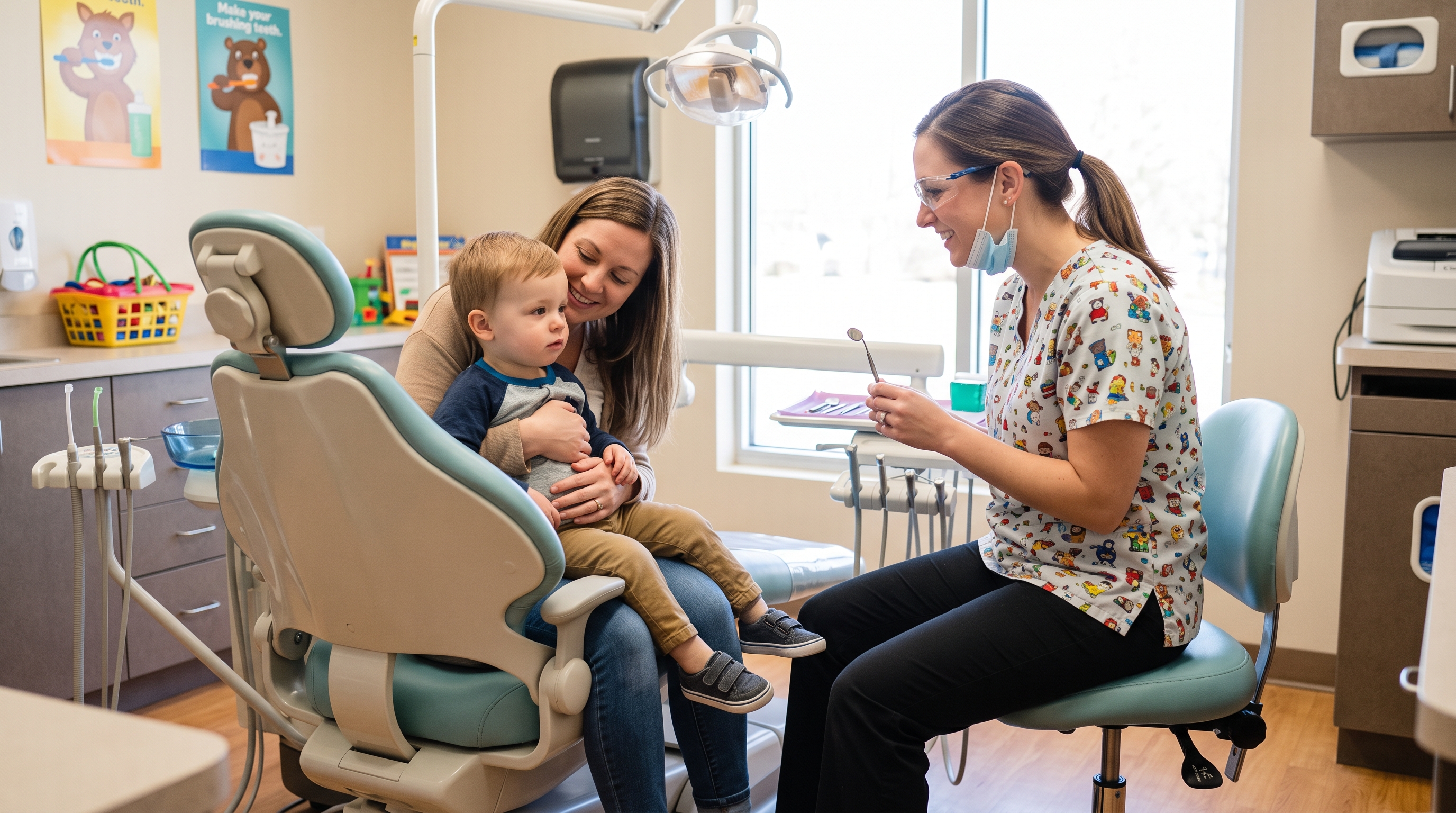
The AAPD recommends a first exam when the first tooth erupts. The latest time is 12 months of age. The ADA suggests treating the visit like a well-baby checkup. At JuniorDental, we also welcome babies for assessments from birth, teeth or no teeth.
Who should I ask about my baby’s bedtime bottle?
Bedtime habits change in small steps, and one step is enough to start. Bring your questions to the first dental visit, or ask before it. Our team at JuniorDental answers them in plain language. Families searching for a paediatric dentist in Dubai are welcome to meet us.