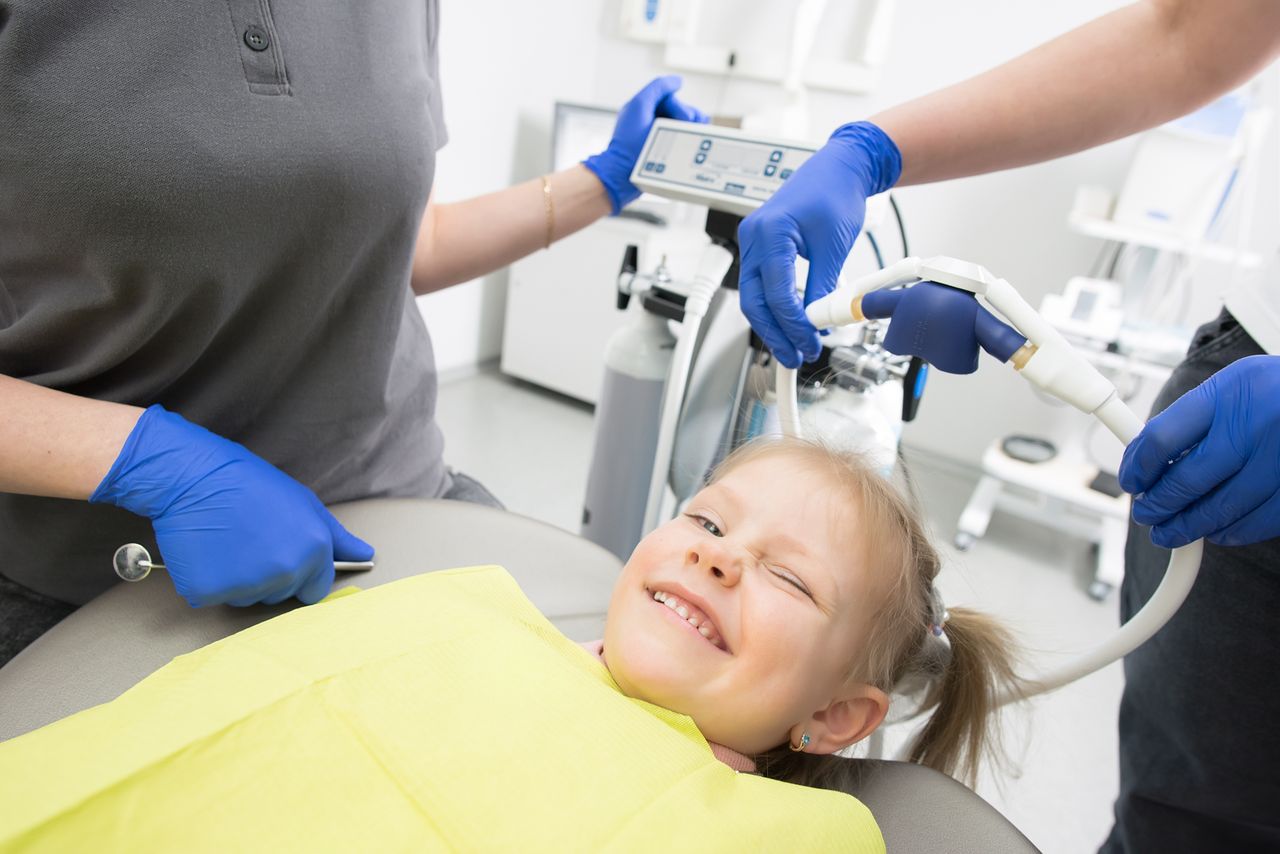
The First Dental Visit Is Gentler Than Most Parents Expect
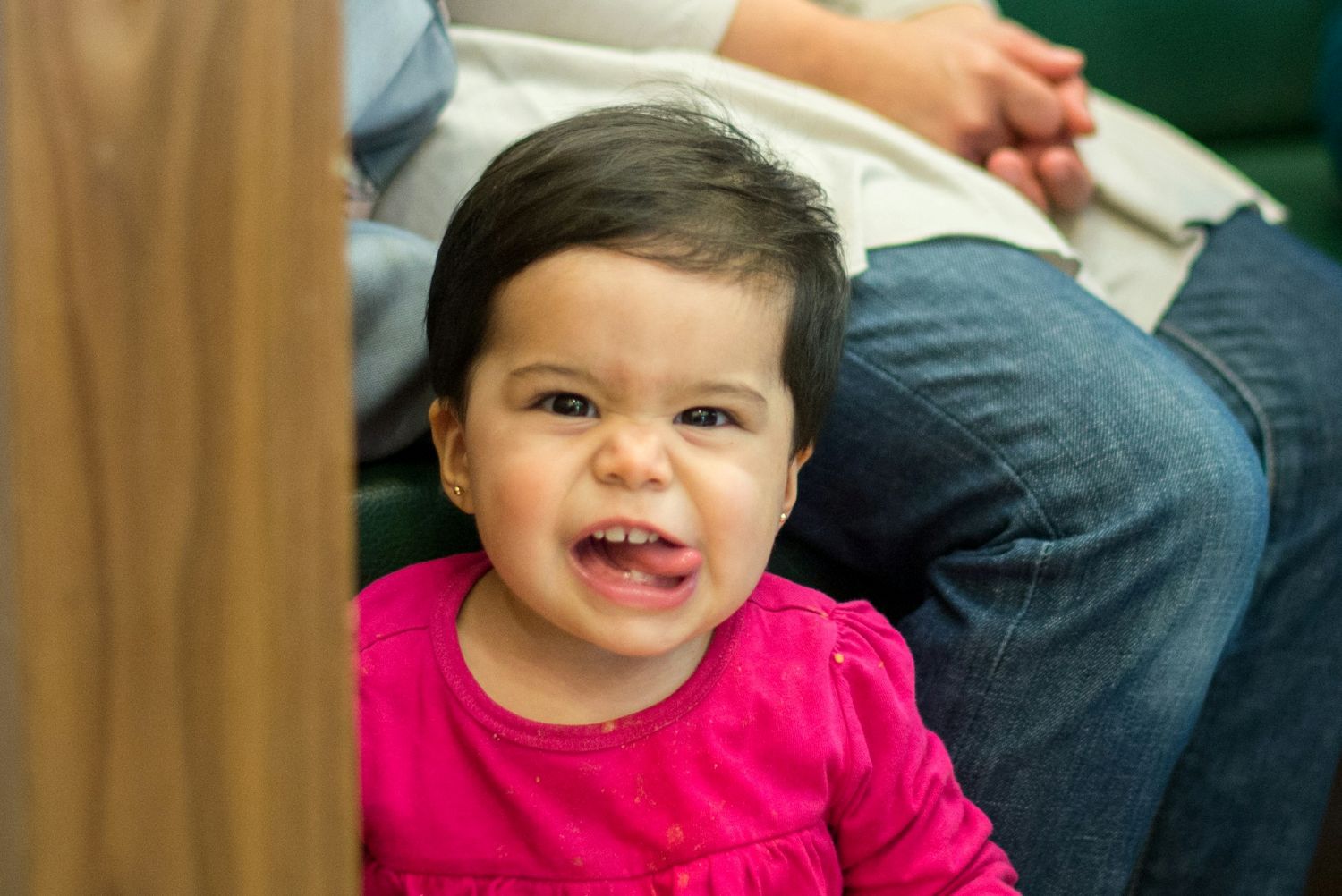
A baby's first dental visit tends to be far calmer than parents picture beforehand. It is brief, low-pressure, and built around getting to know the child and the family rather than performing any procedure. The American Academy of Pediatric Dentistry recommends a first visit by the child's first birthday, or within six months of the first tooth arriving, whichever comes first. At JuniorDental, the early appointment is designed as a warm introduction, and parents leave with practical guidance about feeding, brushing, and what comes next.
When Should a Baby's First Dental Visit Happen?
The recommended timing surprises many parents: by a child's first birthday, or within six months of the first tooth appearing, whichever comes first.
Most families assume dental visits start once a child has a full set of teeth. The earlier recommendation exists for a different reason entirely. Starting young establishes the dental practice as a familiar, comfortable place well before any treatment becomes necessary.
Children who grow up visiting the dentist for routine checks tend to build far less fear and avoidance than children whose first experience involves an active procedure. The early visit is preventive in two ways at once: it protects the teeth, and it protects how a child feels about dental care for years to come. It also gives the dental team an early baseline covering tooth development, feeding patterns, hygiene habits, and growth. Every later visit builds on what the first one established.
What Does a Dentist Check During a Baby's First Visit?
The exam at a first dental visit looks at far more than the teeth that have already come in.
The dental team checks the gum tissue, the development of any teeth present, the lips, the tongue, and the frenum, the small band of tissue connecting the tongue and lips to the gums. A tongue or lip tie affecting feeding or speech may be noticed and discussed at this stage.
For very young babies, the exam frequently happens with the child resting in a parent's lap, head tilted gently toward the dentist. The setup stays close, comfortable, and brief, usually lasting only a few minutes. A growth check during the same visit looks at how the jaw is forming, whether early signs of arch concern exist, and whether teeth are coming in as expected. A concern noticed at twelve months opens a very different set of options than the same concern noticed at age six, once far more development has already taken place.
How Long Does the First Visit Take, and What Should Parents Expect?
For an infant or toddler, the appointment itself is short, generally lasting around ten to fifteen minutes for the actual examination. What follows the exam is mostly conversation: questions from the parent, observations from the dental team, and a discussion of feeding habits, home hygiene, and fluoride.
Parents tend to do most of the talking, by design. The visit works as much like a clinical conversation as an examination. A good pediatric dental team wants to understand how the child feeds, whether a bottle comes out at night, what the brushing routine looks like at home, and whether the parent has noticed anything worth raising. No painful procedures take place during a routine first visit for a healthy child with no current decay. Parents bracing for a difficult experience frequently leave pleasantly surprised. The mood of the visit tends to mirror the mood of the team, and a practice built well for young children sets a tone that feels calm, warm, and entirely unhurried.
What Do Dentists Discuss About Feeding and Brushing at the First Visit?
Feeding patterns connect directly to cavity risk in infants and toddlers, which is why the topic comes up early in the conversation. A pattern called early childhood caries, cavities affecting very young children, links closely to extended bottle feeding with milk or juice, especially overnight. When a baby falls asleep with a bottle, liquid pools around the teeth and creates ongoing acid exposure, and the upper front teeth are usually the first to show the effect.
The dental team asks about breastfeeding, bottle habits, sippy cups, and any sweet or acidic drinks between meals. None of it comes from a place of judgment. Every family's feeding situation looks different, and the role of the dental team is to share what the evidence shows, not to grade the choices a parent has already made in good faith. Brushing comes up too. The guidance is to begin cleaning a baby's gums with a soft cloth before any teeth appear, then move to a small, soft-bristled brush and a grain-of-rice amount of fluoride toothpaste once the first tooth arrives. Many parents are surprised to learn fluoride toothpaste belongs in the routine from the very first tooth, not from some later milestone.
How Should Parents Prepare a Child Without Creating Dental Fear?
The way a parent talks about the dentist beforehand shapes how a child walks into the room. A child who hears "you'll be fine, it won't hurt" arrives already braced for something that might. A child who hears "we're going to see the doctor who checks teeth, it's quick, and then we go home" arrives curious instead of guarded.
A practice designed around young children carries much of the weight without anyone needing to say a word. Cheerful waiting areas, play zones, staff experienced with infants and toddlers, short waits, and spaces that feel nothing like a threat all shift the experience toward something ordinary rather than something memorable in the wrong way. At JuniorDental, the environment reflects the same thinking directly. Interactive spaces, calm treatment rooms, and a team experienced with children of every age, temperament, and need, including children with special needs, tend to make the first visit something families want to repeat. A child who leaves their first appointment at ease arrives at the second one already halfway comfortable.
Frequently Asked Questions
When should a baby's first dental visit take place?
The American Academy of Pediatric Dentistry recommends a first visit by the child's first birthday, or within six months of the first tooth arriving, whichever comes first. Starting early builds familiarity, allows cavity-risk assessment while it remains most preventable, and gives the dental team an early baseline for tracking growth over time.
What happens if my child cries during the first visit?
Crying is a normal reaction to new places and unfamiliar faces for infants and toddlers. A pediatric dental team is well prepared for tears and works through them patiently, without rushing the child. A short visit where a child cries briefly and then settles still counts as a success. The team never pushes ahead with an exam against a child's distress, in a way that could make future visits harder.
Do baby teeth need brushing even though they will eventually fall out?
Yes. Baby teeth face decay risk from the moment they appear. The guidance is to use a soft-bristled brush with a grain-of-rice amount of fluoride toothpaste starting from the first tooth, increasing to a pea-sized amount around age three. Parents generally need to help with brushing until a child manages it thoroughly without assistance, usually around age seven or eight.
Is fluoride toothpaste safe for babies and toddlers?
Current guidance from the American Academy of Pediatric Dentistry recommends fluoride toothpaste from the first tooth onward, in an amount suited to the child's age. Fluoride is one of the most well-supported preventive tools in dentistry, and the small amounts used for young children are considered safe when applied as directed. Parents with questions are welcome to raise them directly with the dental team at the first visit.
What feeding habits raise the risk of cavities in very young children?
Falling asleep with a bottle of milk, formula, or juice is the feeding pattern most consistently linked to early childhood cavities. Liquid pools around the upper front teeth for long stretches during sleep, creating sustained acid exposure on the most vulnerable surfaces. Switching to water for any nighttime bottle, or gently wiping the teeth after a late feed, meaningfully lowers the risk.